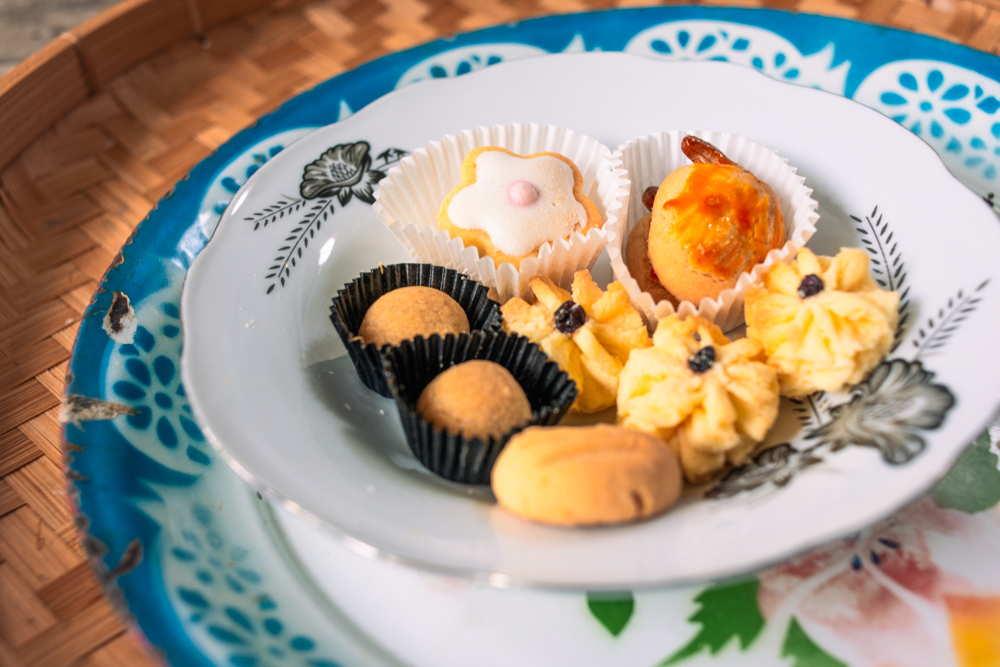
One of the best parts of the Hari Raya Puasa, or Eid-ul-Fitr, celebration in Malaysia is the traditional food, especially the Kuih Raya.
Their adorable shapes, colours, and delicious tastes always bring back the warmest childhood memories.
In recent years, I’ve tried to capture the beauty of these kuih in photographs. The recipes are often passed down through generations. I remember watching my grandmother bake them using a gasoline stove. Now, it’s so easy to order them via WhatsApp.
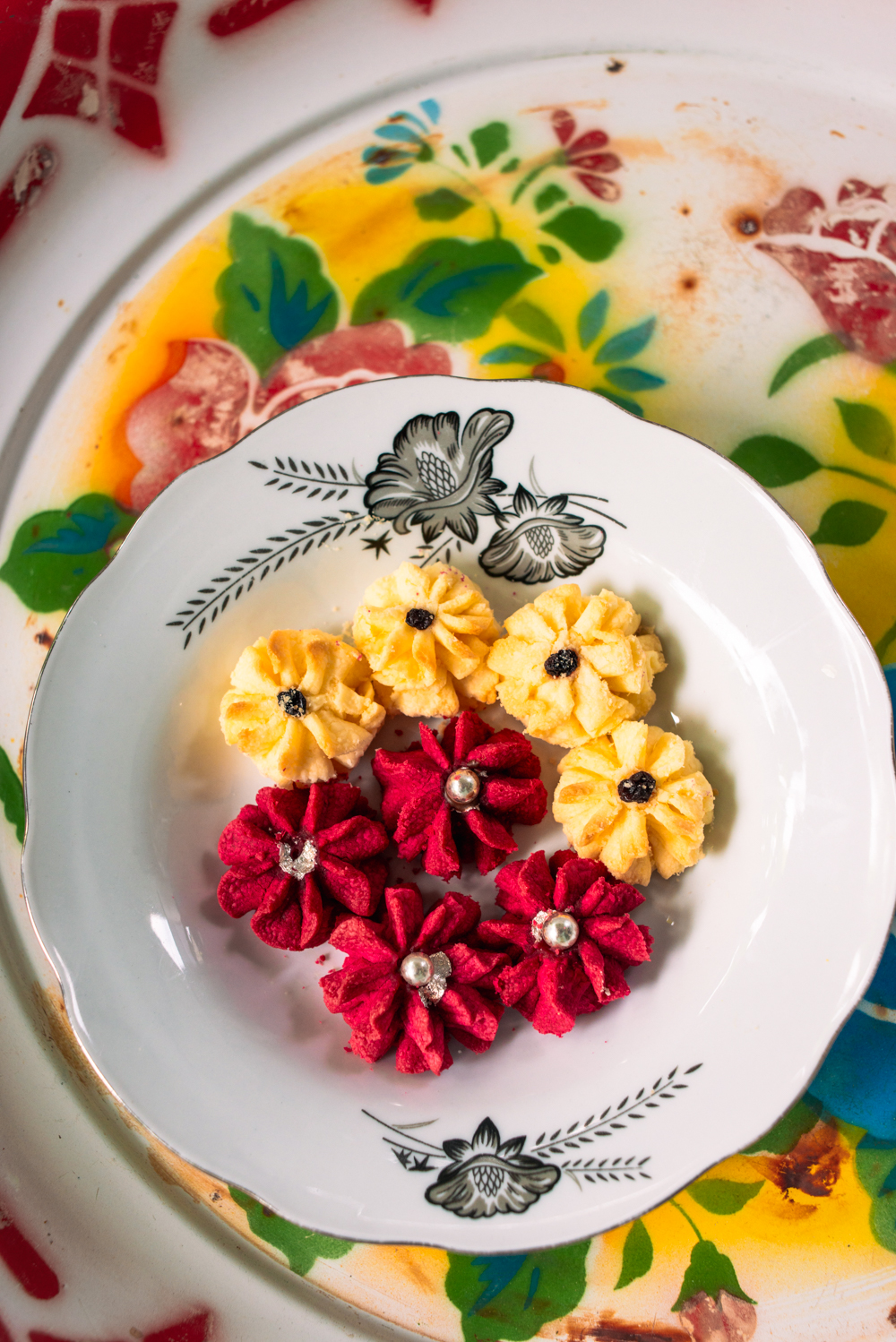
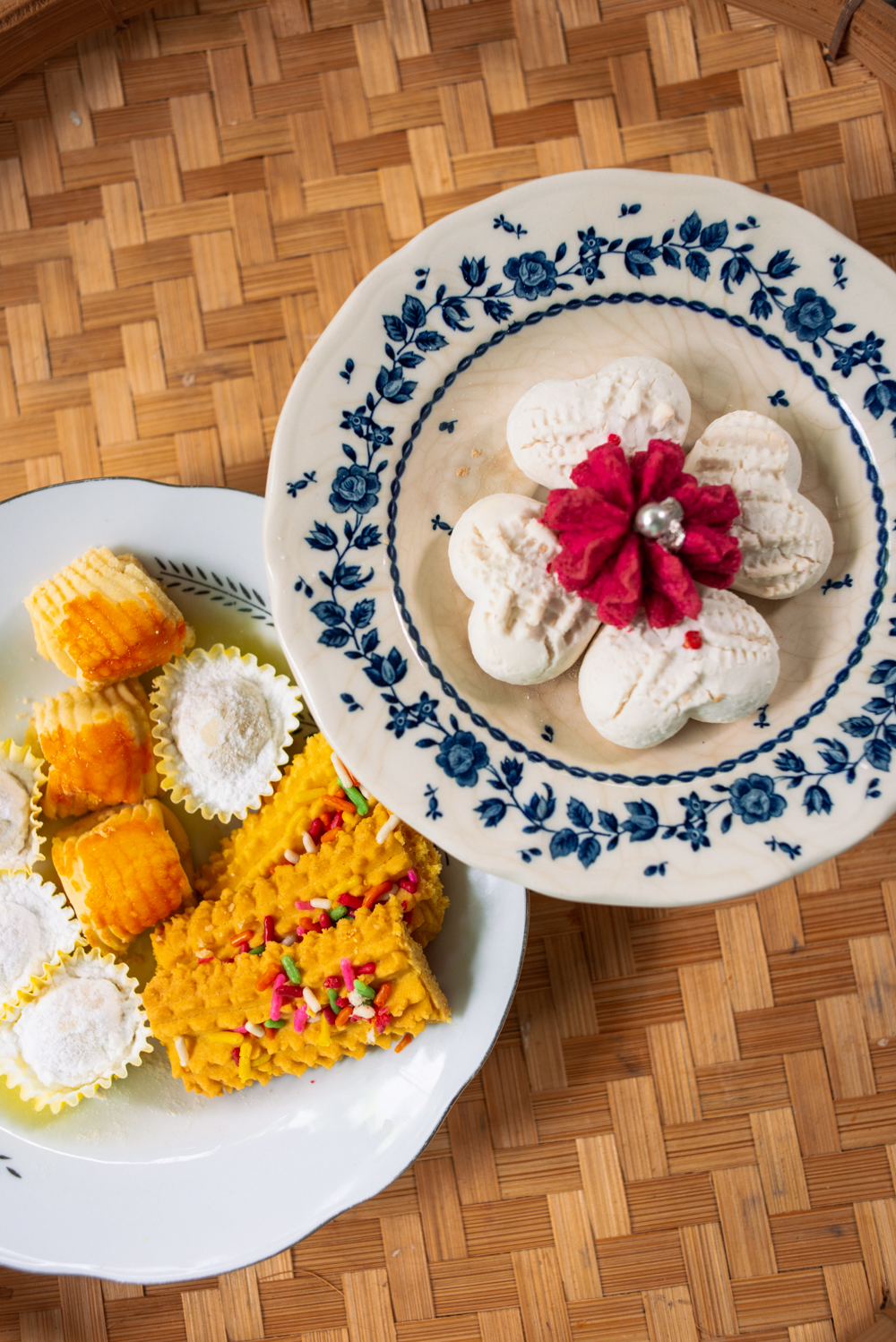
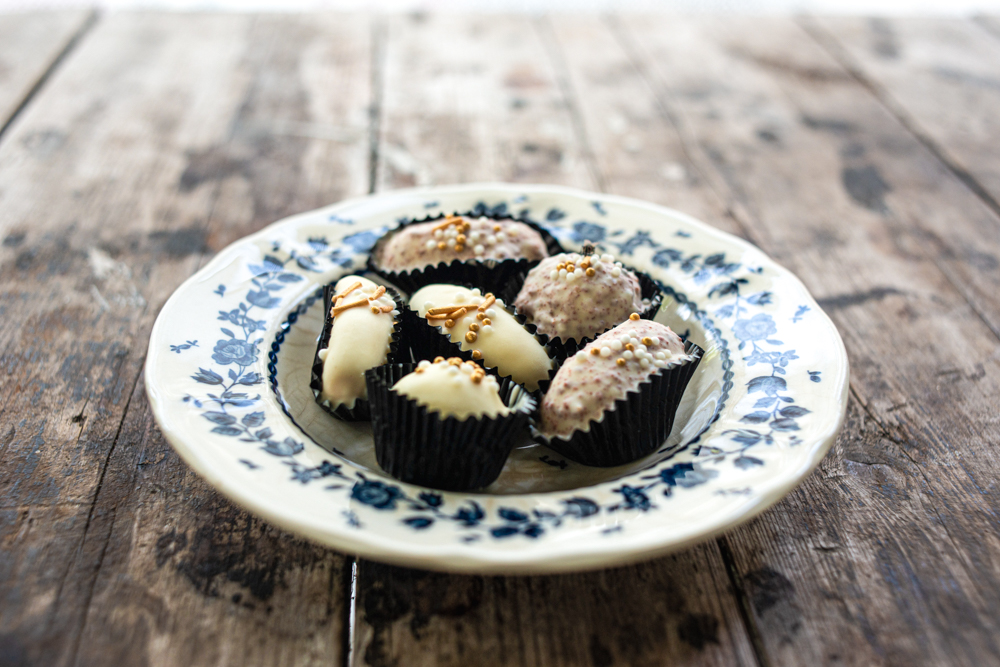
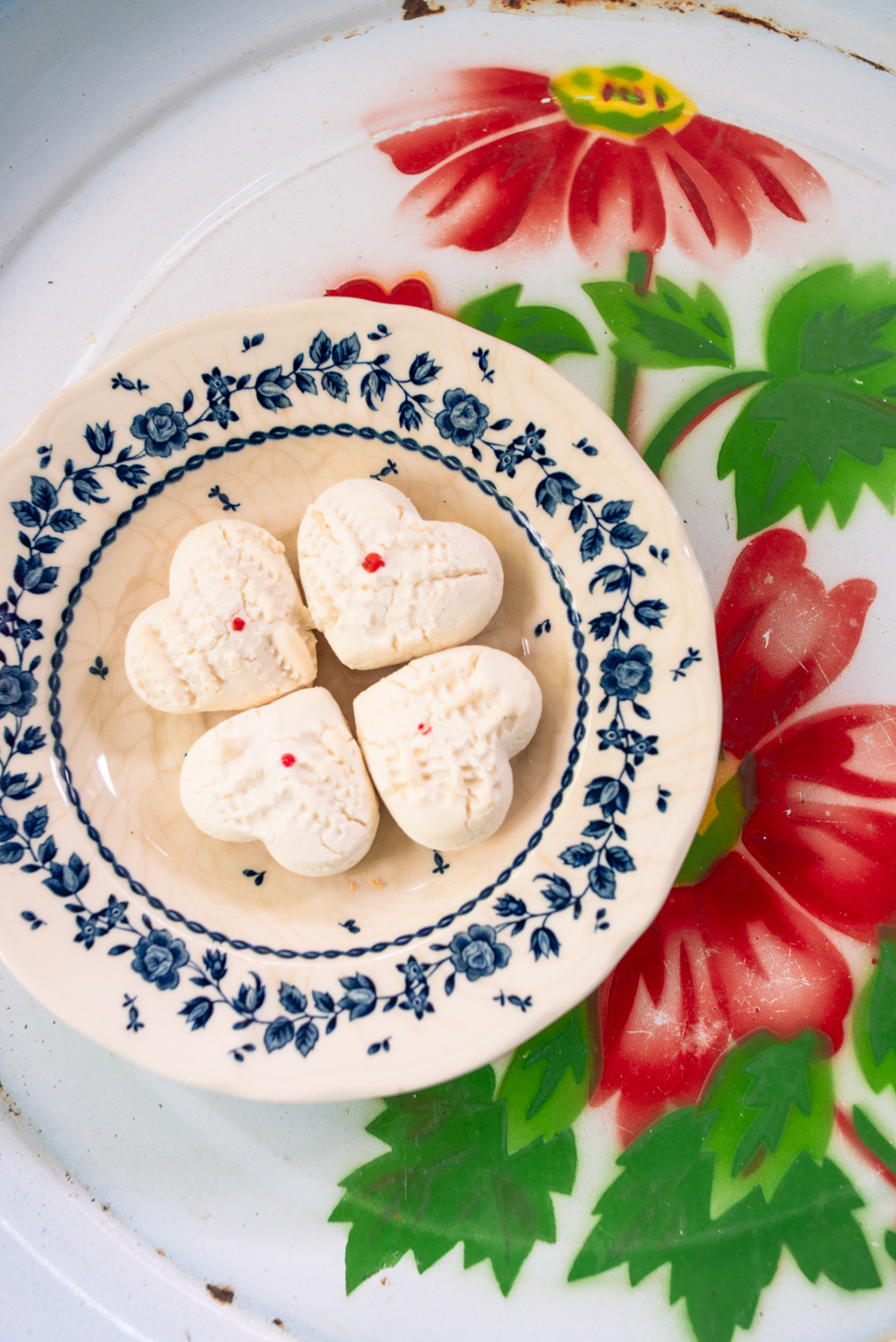
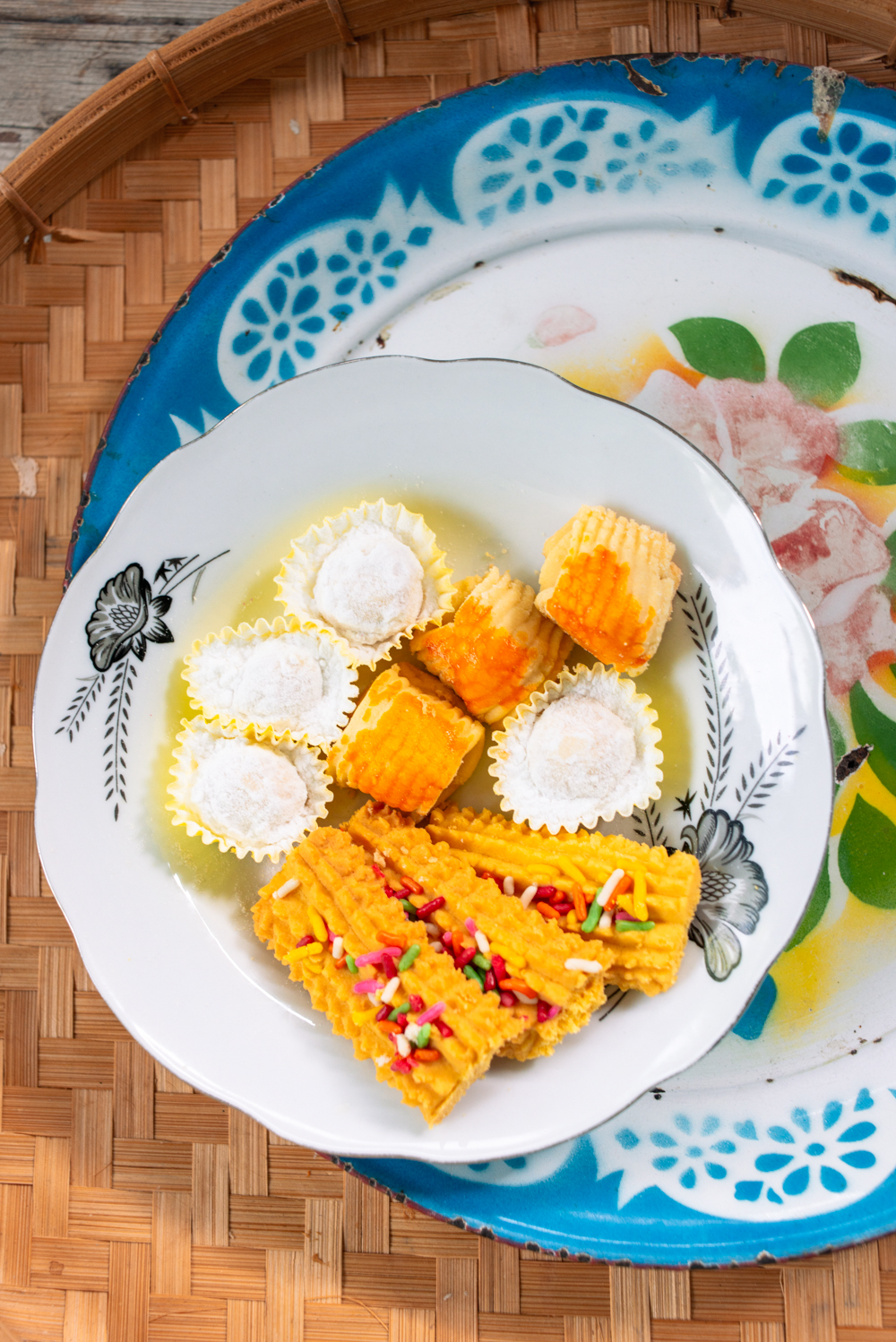
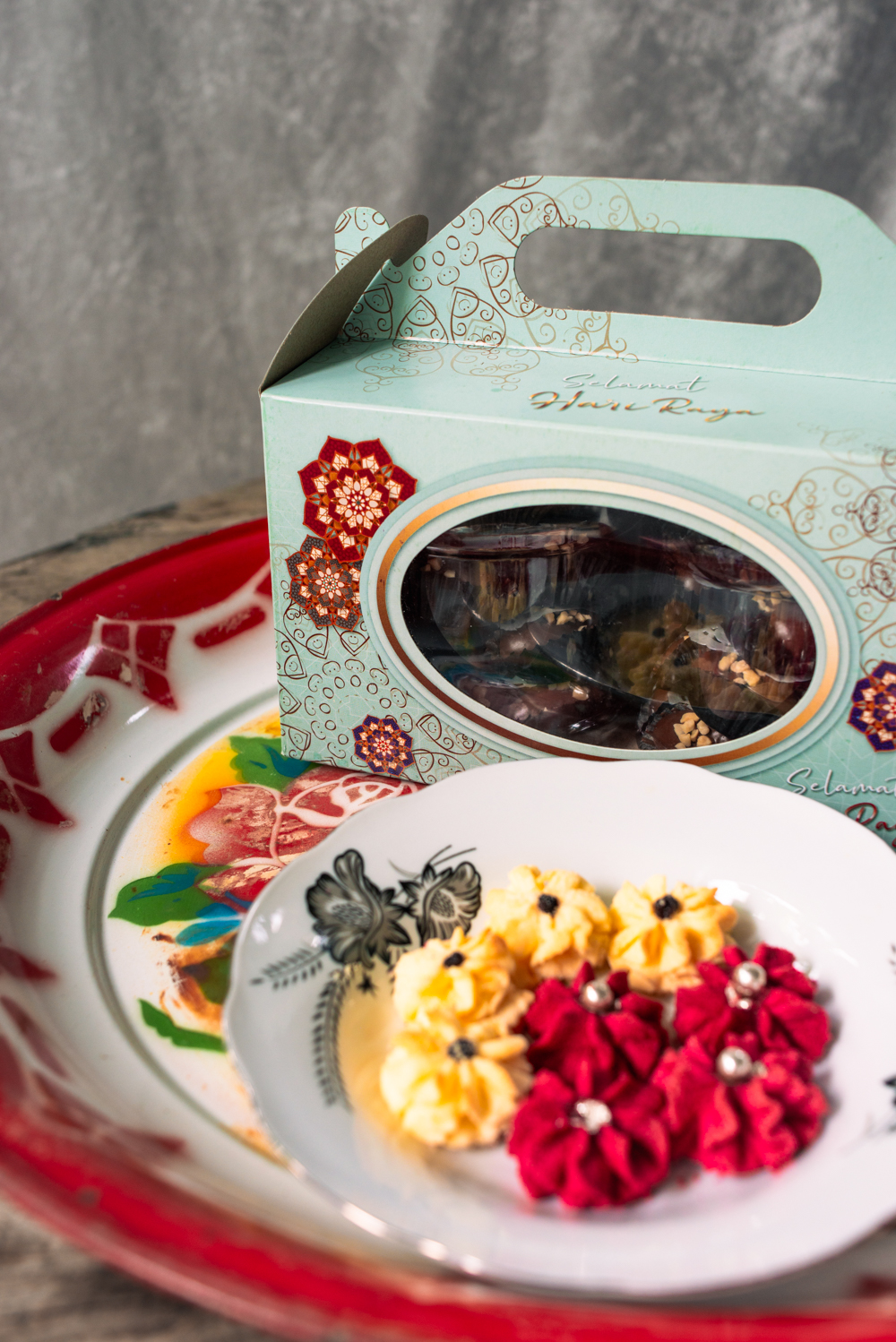
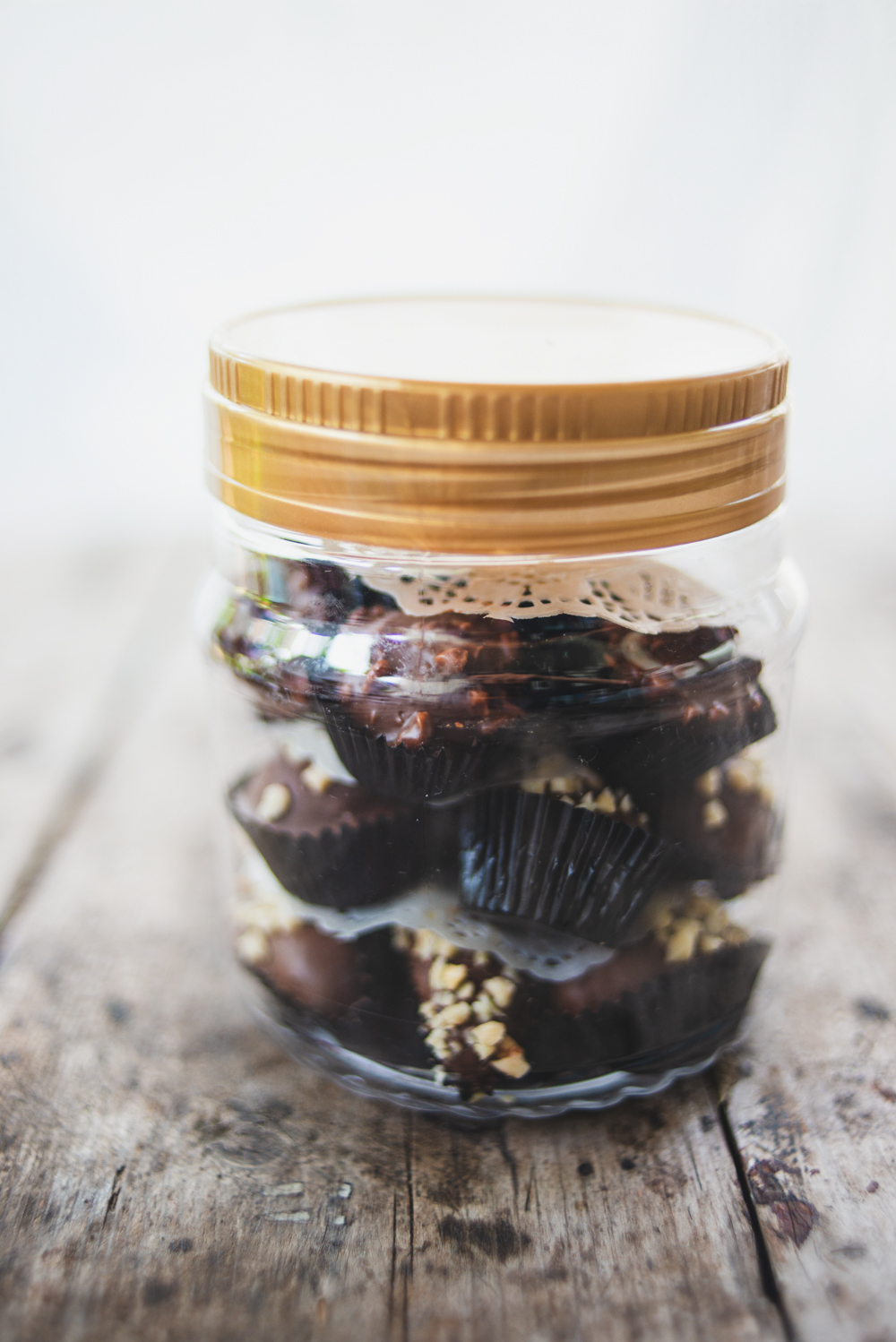
The kuih featured in this series are homemade creations by local female entrepreneurs: the village ladies from Bota Kiri and my nieces, business study graduates who have turned their patisserie-making talent into a successful enterprise.
For this shoot, I styled the kuih on my great-grandmother’s vintage Chinese trays, which are about a century old, and my grandmother’s ceramic plates.
In Malaysia, the Hari Raya celebration lasts throughout the Syawal month, with most visits occurring within the first three days, depending on work and school holidays. Like other major public holidays, this often leads to significant traffic and commuting issues, much like the Christmas airport chaos in London.
Personally, I find the Ramadan fasting month more spiritual and peaceful than Hari Raya itself. But then again, show me an Asian celebration that doesn’t involve dins, firecrackers, and overwhelming crowds!
The art of ketupat
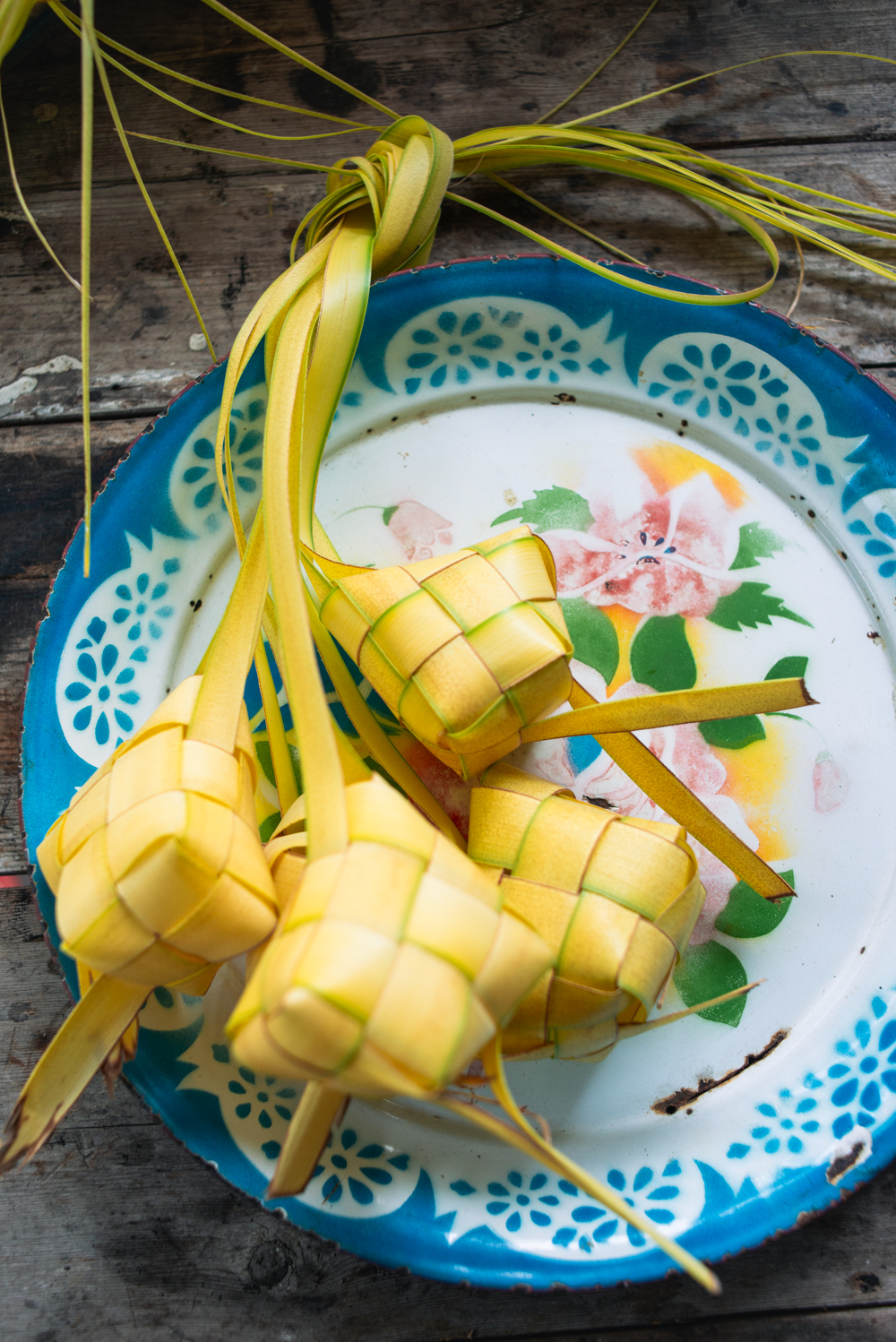
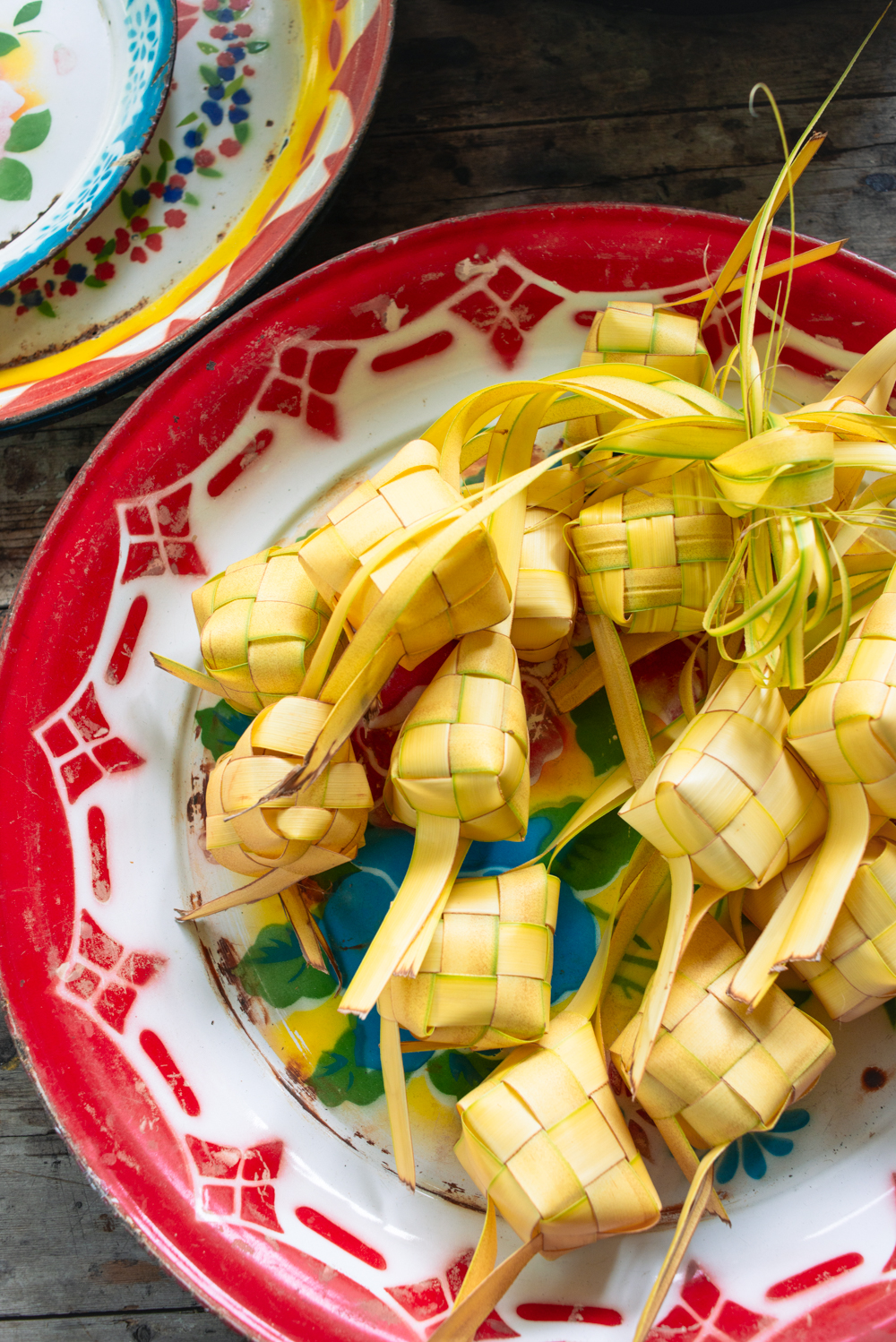
I’m not particularly talented or patient when it comes to baking cookies. However, I’m proud to say that I can weave several styles of ketupat parcels.
Ketupat is rice boiled in woven coconut leaves over an open fire, an elegant way to prepare rice during Hari Raya or Eid. Originating from Java, Indonesia, it is widely enjoyed in Malaysia, Brunei, Singapore, and Southern Thailand.
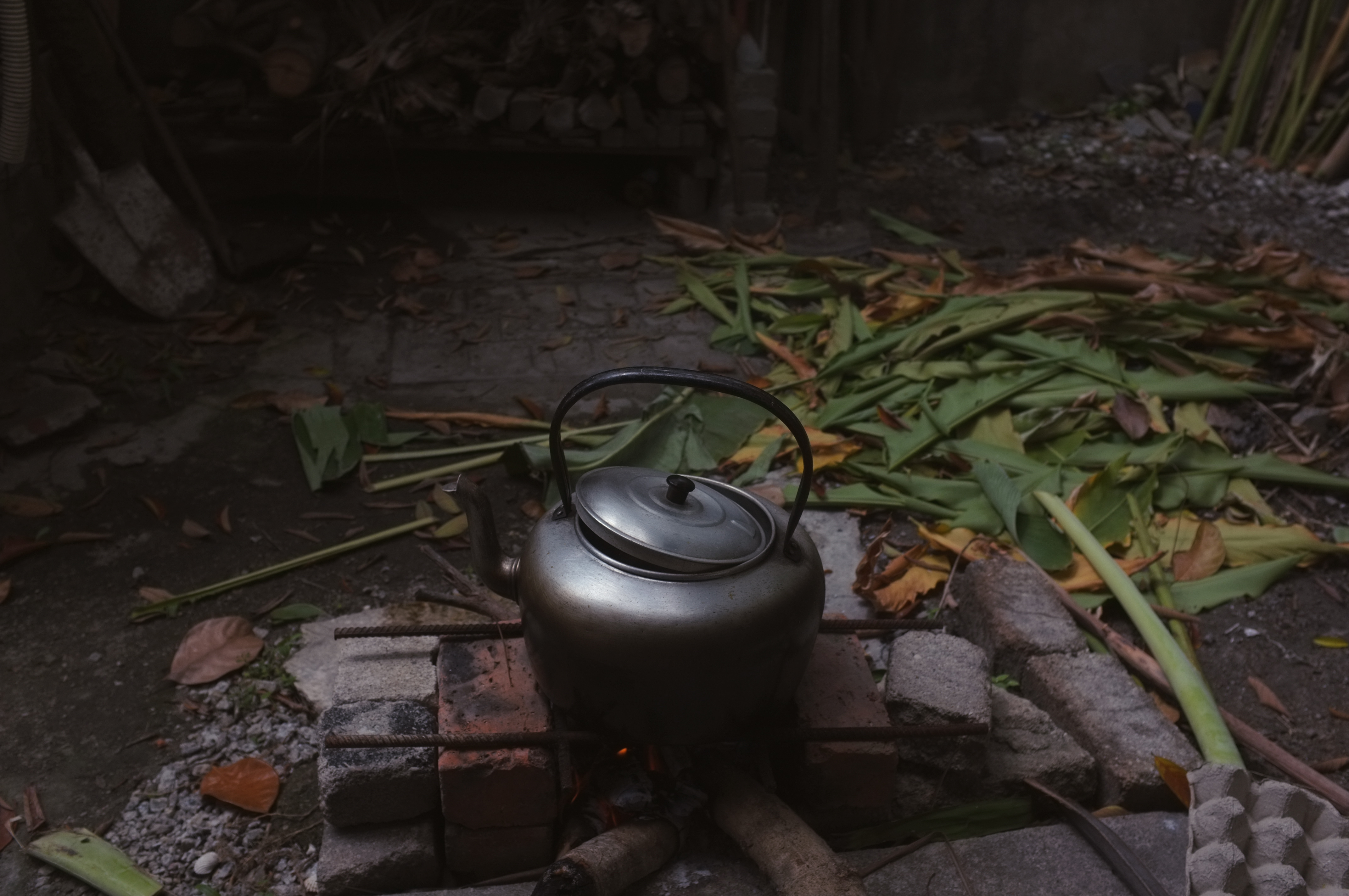
The ketupat is a perfect zero-waste portable meal. As a child, my grandfather used to carry ketupat as his lunch to the pesantren, the traditional Islamic boarding school in Java.
I can’t recall exactly when I learned to make ketupat, but it must have been during primary school, taught by my aunt Mak Long. It’s a fun activity and breaks the monotony of cooking rice in a modern electric cooker.
 Zarina Holmes