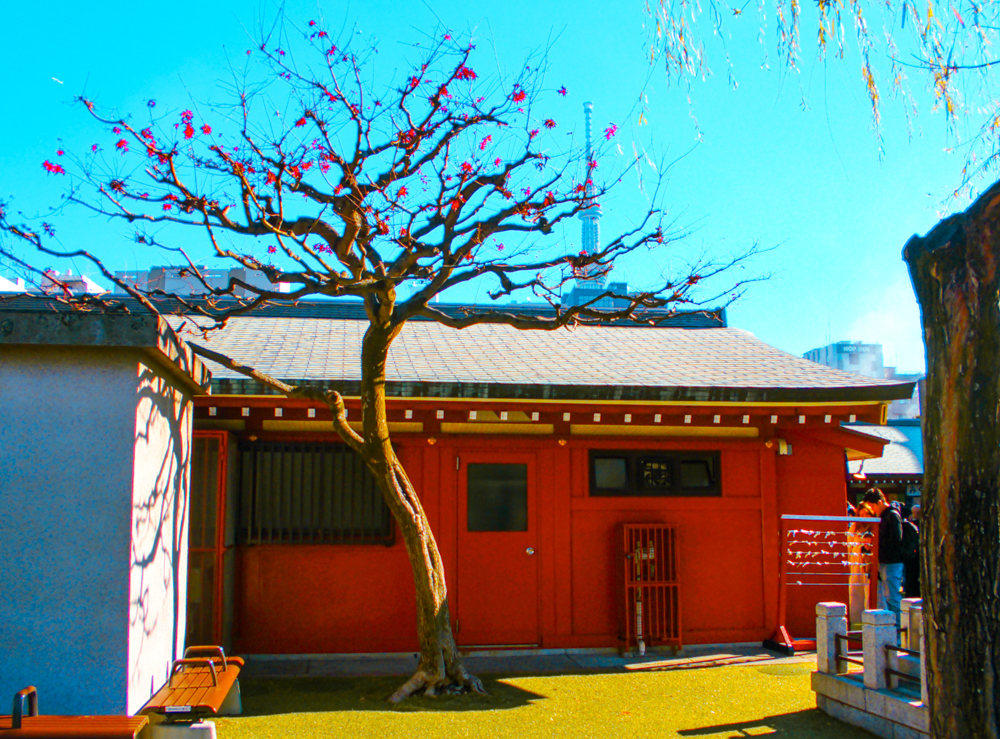
I bought a compact toy camera from a local photography shop just before my winter trip to Tokyo. It’s a simple, no-label Chinese brand targeted at school kids.
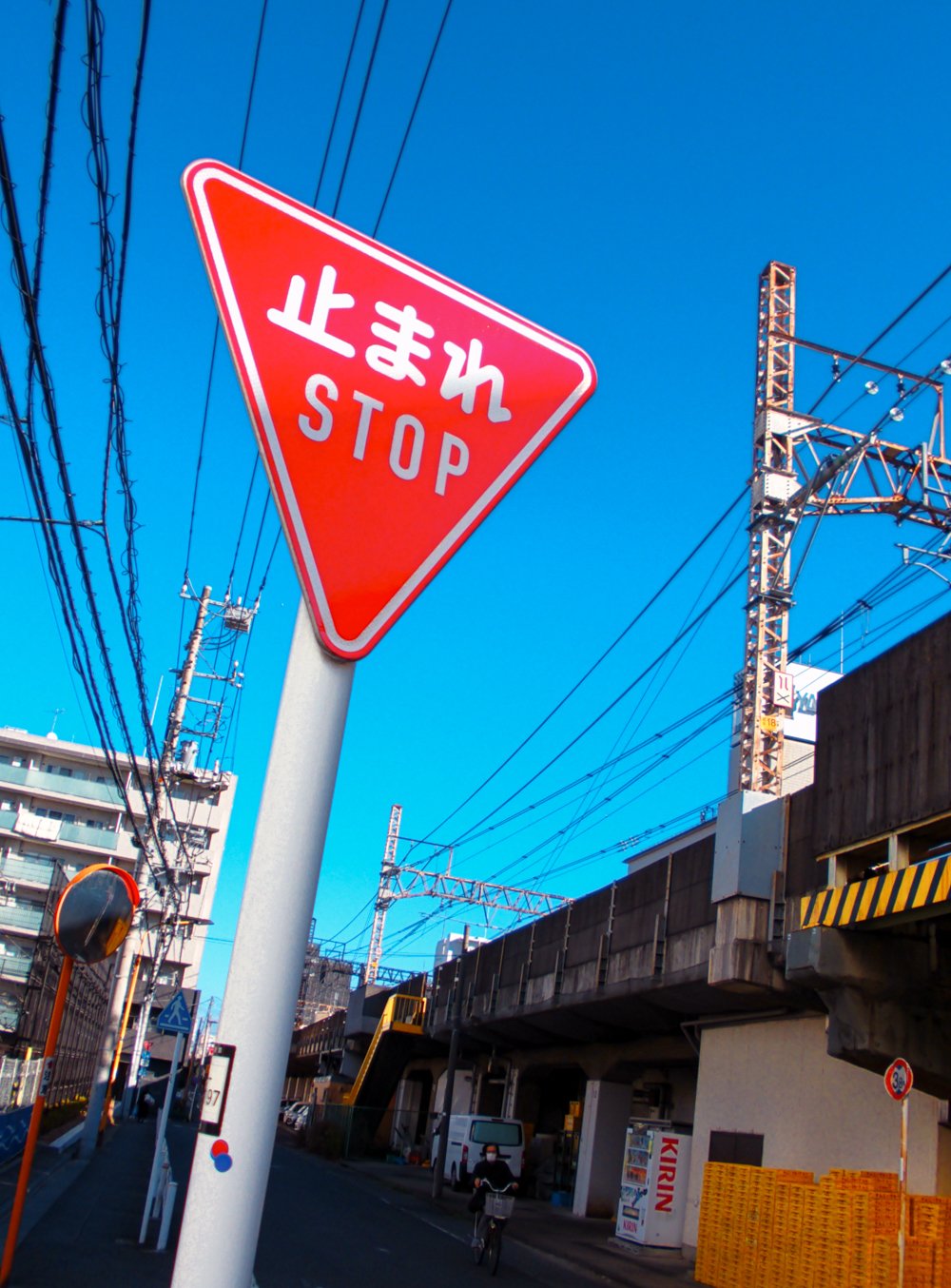
I used multiple cameras during this trip; a pro camera that’s amazing but stresses me out and a decent Samsung smartphone. I enjoyed the compact camera the most. It has limited settings, with an obvious lens distortion. I couldn’t control it much, nor use it for professional purposes. But it was liberating because it prevented me from overthinking.
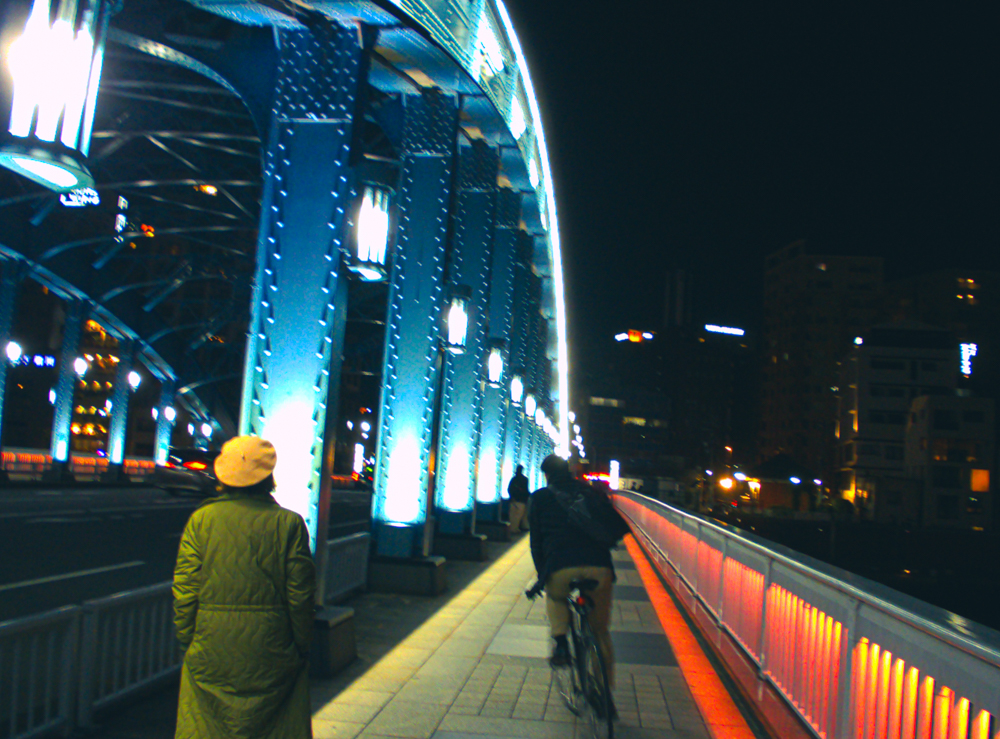
As a result, I spent more time stopping and admiring the Tokyo streets with my own eyes, rather than fiddling with camera settings. I enjoyed chimping through images, laughing at the imperfect colours and focussing on mistakes.
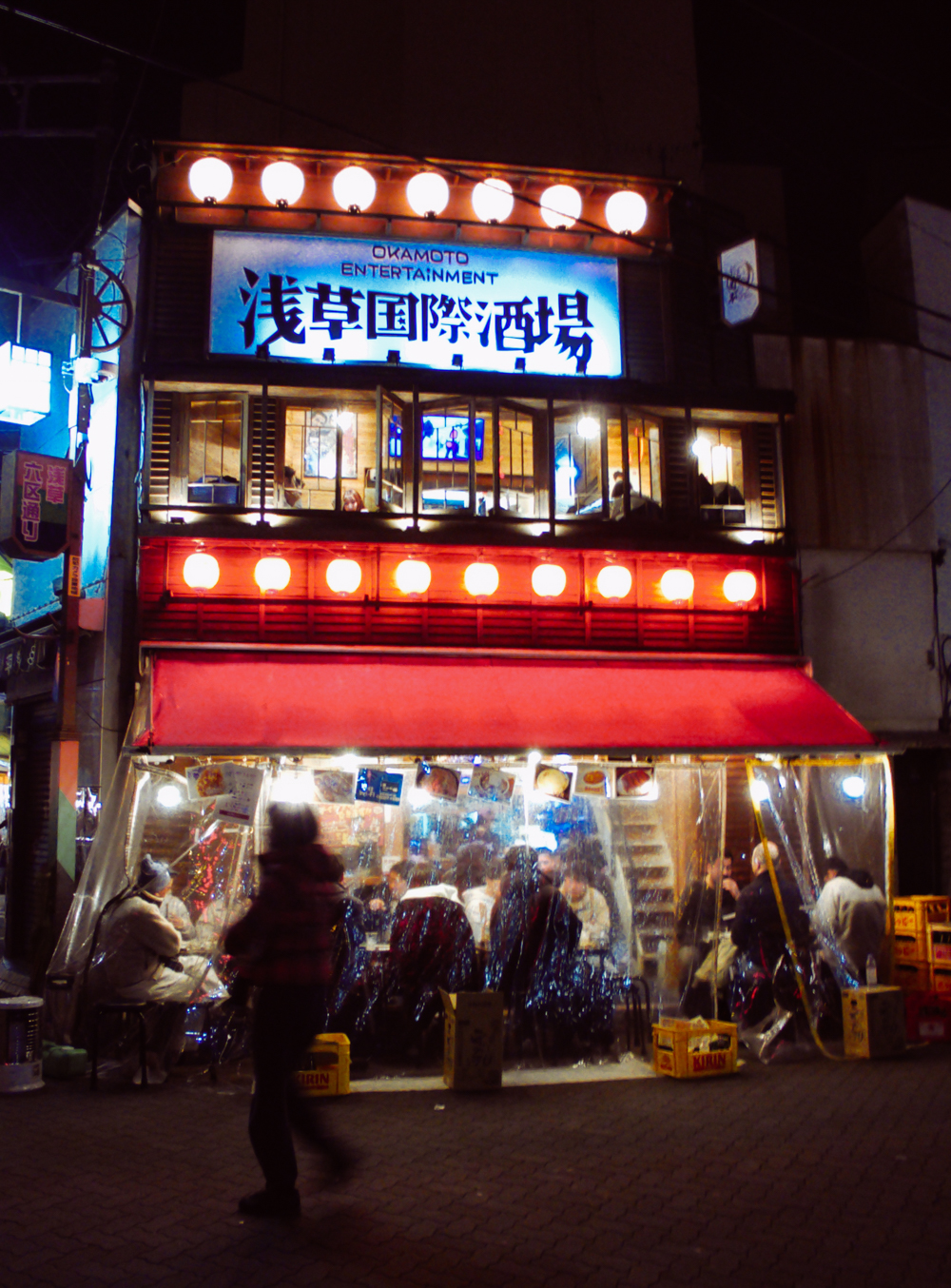


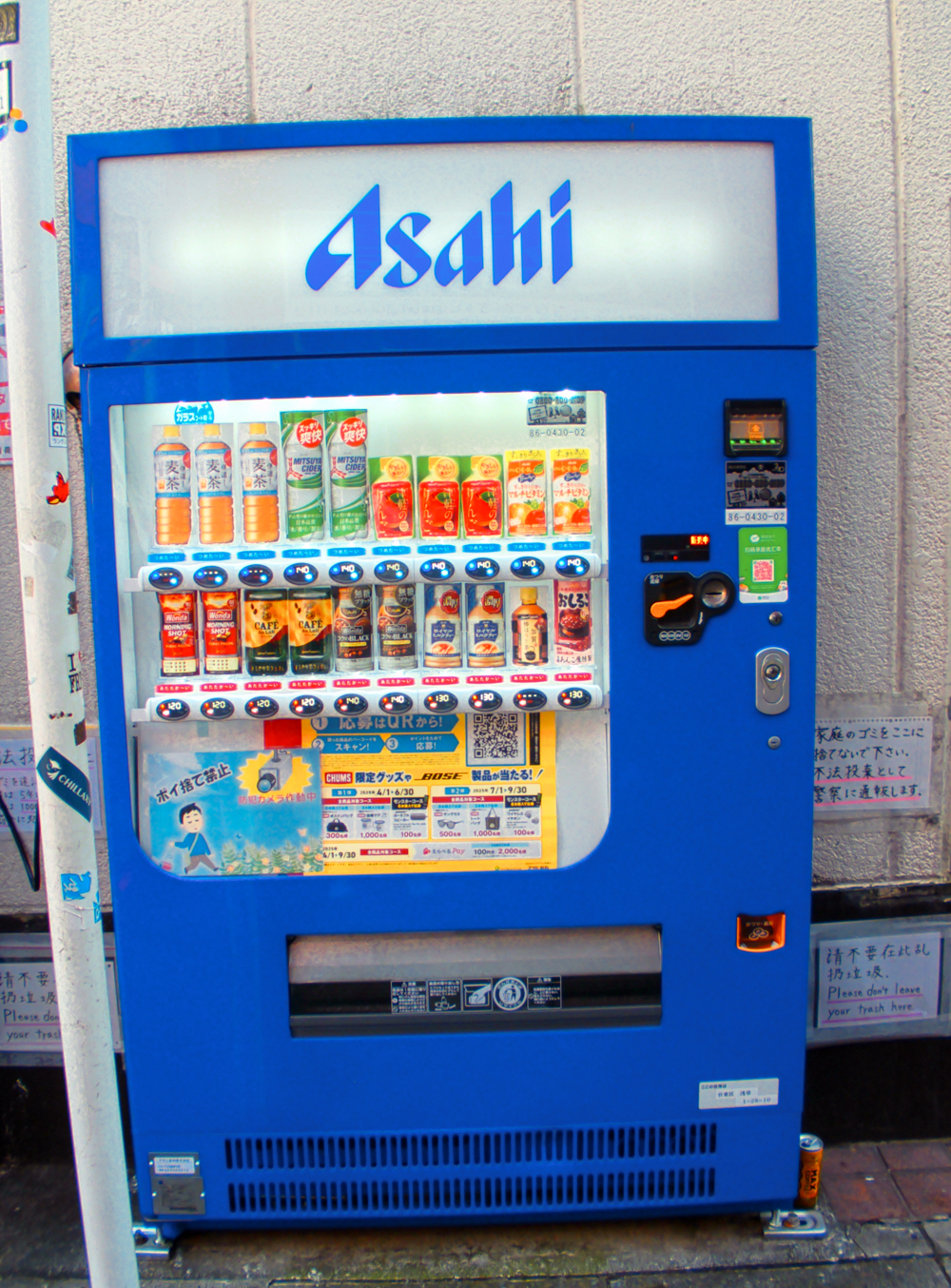
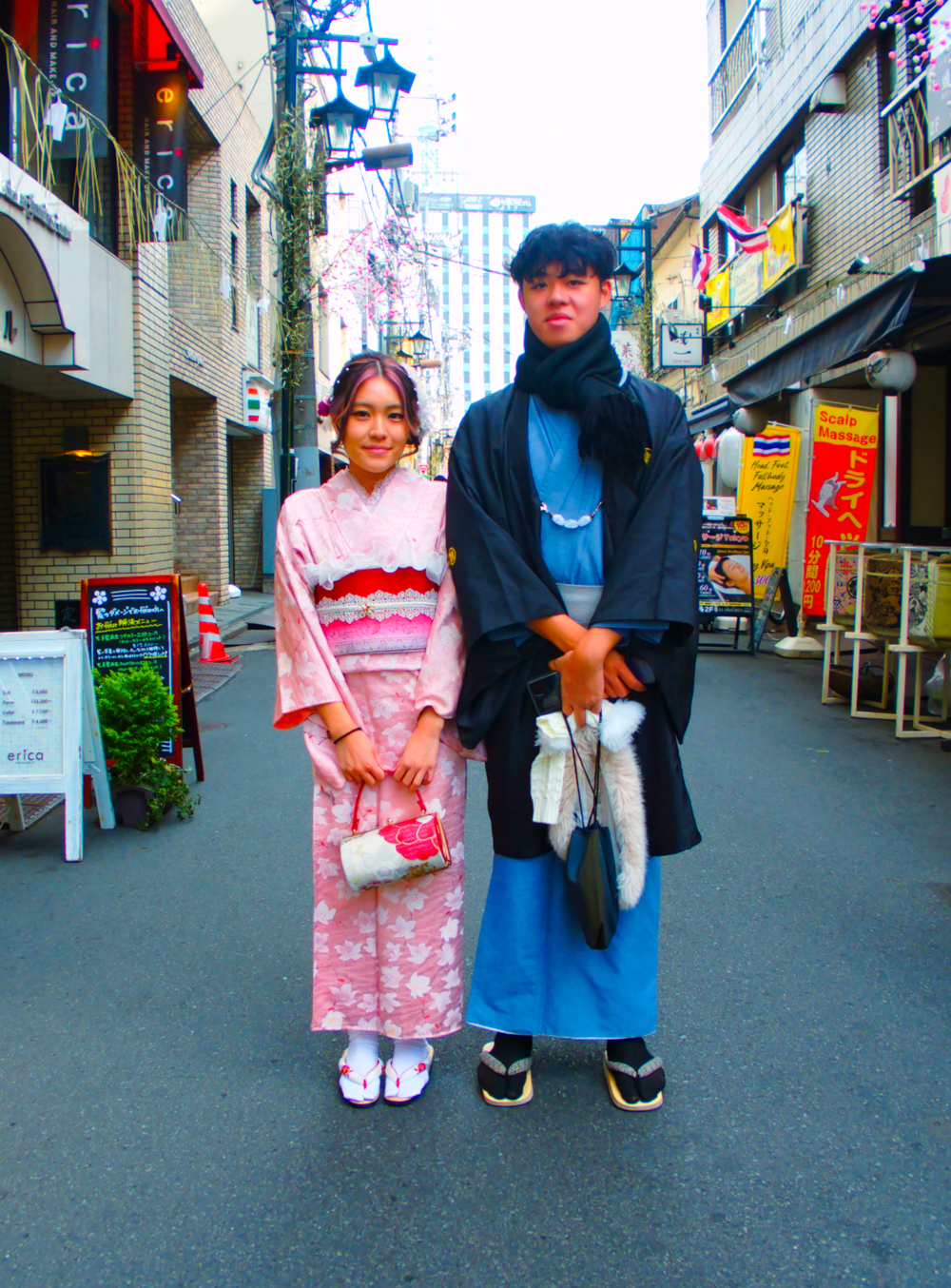
Top: New Year’s dinner at Asakusa, The Year of The Horse, kimono wearers at Senso-ji Temple, colourful vending machine. Photos © Zarina Holmes
We need to be inspired, have some fun and create as if no one’s watching.
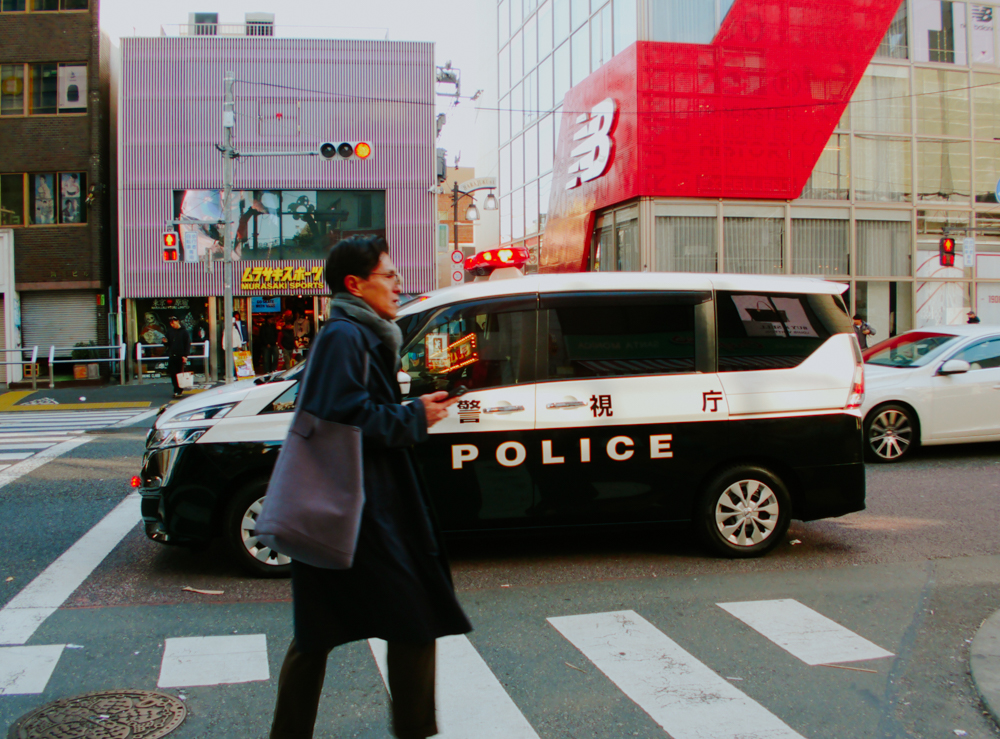
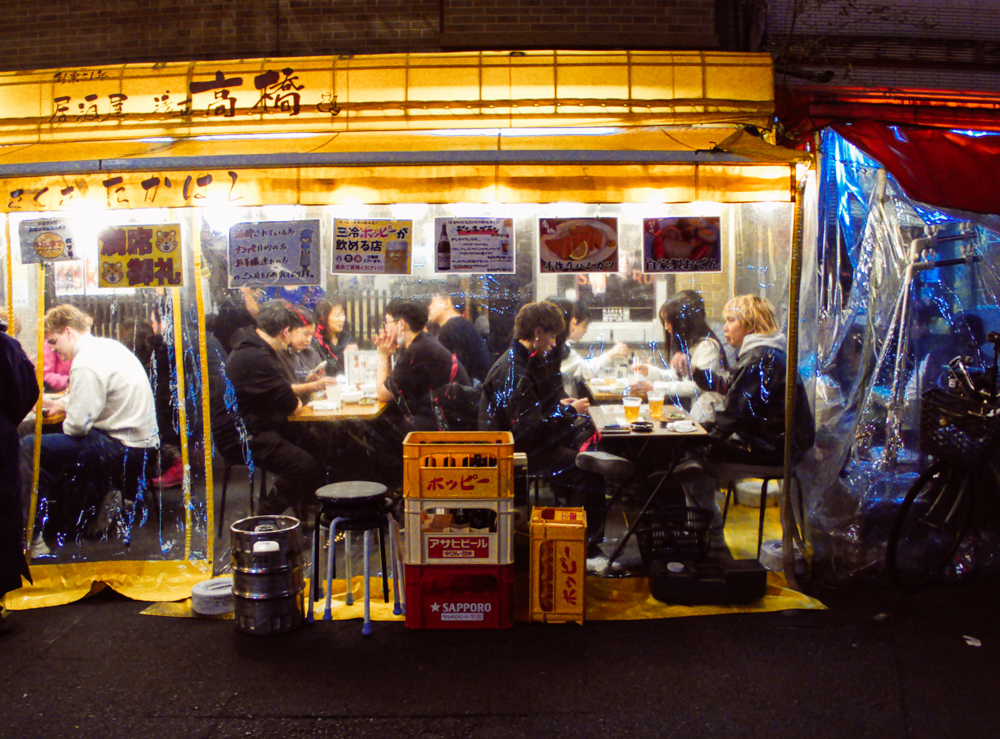

From left: Sushi restaurant at Shin-Nakmise shopping street, a couple wandering around Senso-ji Temple, outside Sumida Hokusai Museum. Photos © Zarina Holmes
It’s about the process
Lo-fi aesthetics have become popular recently among the Gen Z and those who are trying to embrace authenticity in their visual expressions. A huge part of it is a reaction against the rise of AI-generated art that replicates at scale but leaves out the tangible creative process that involves humans.
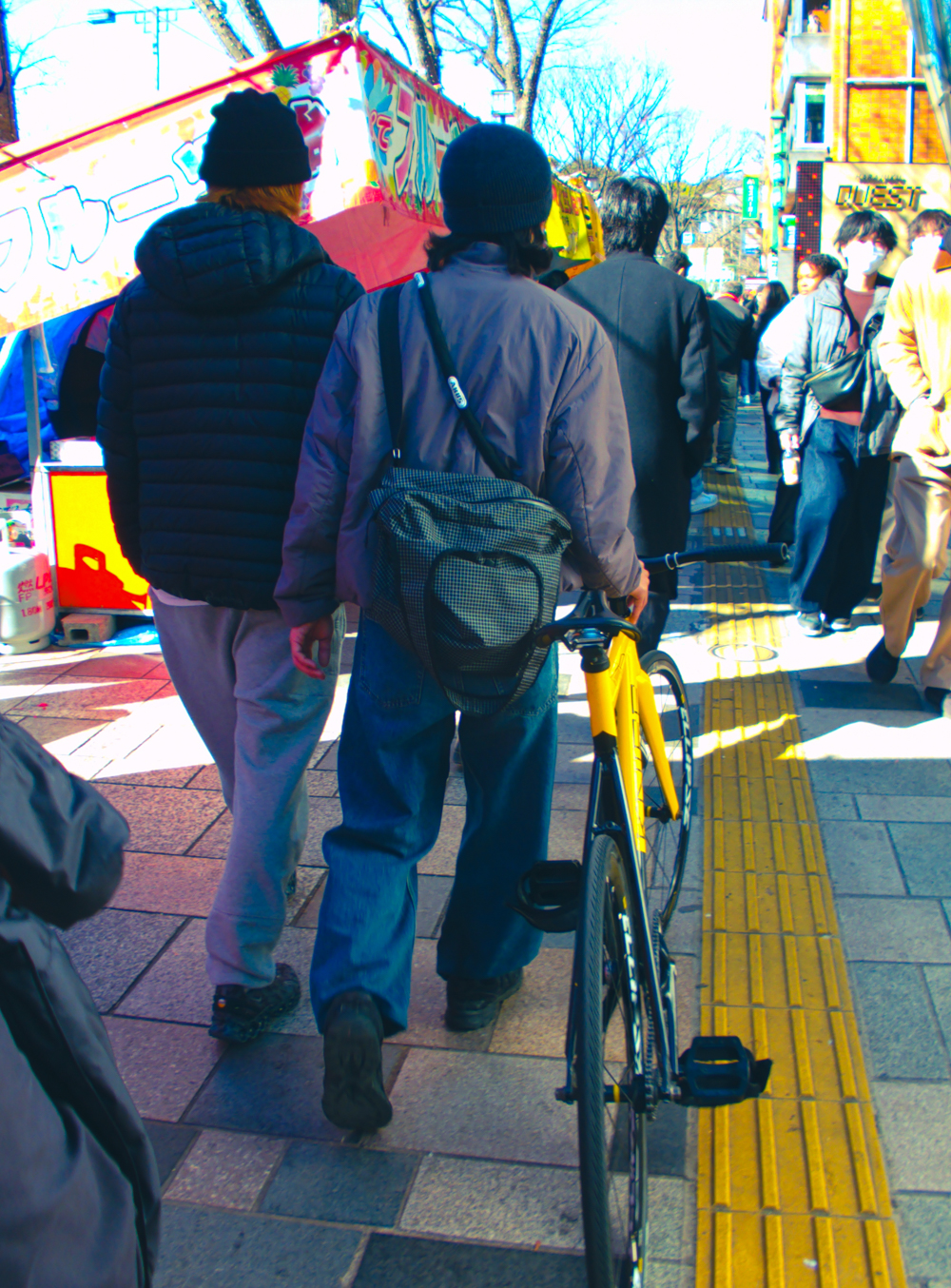
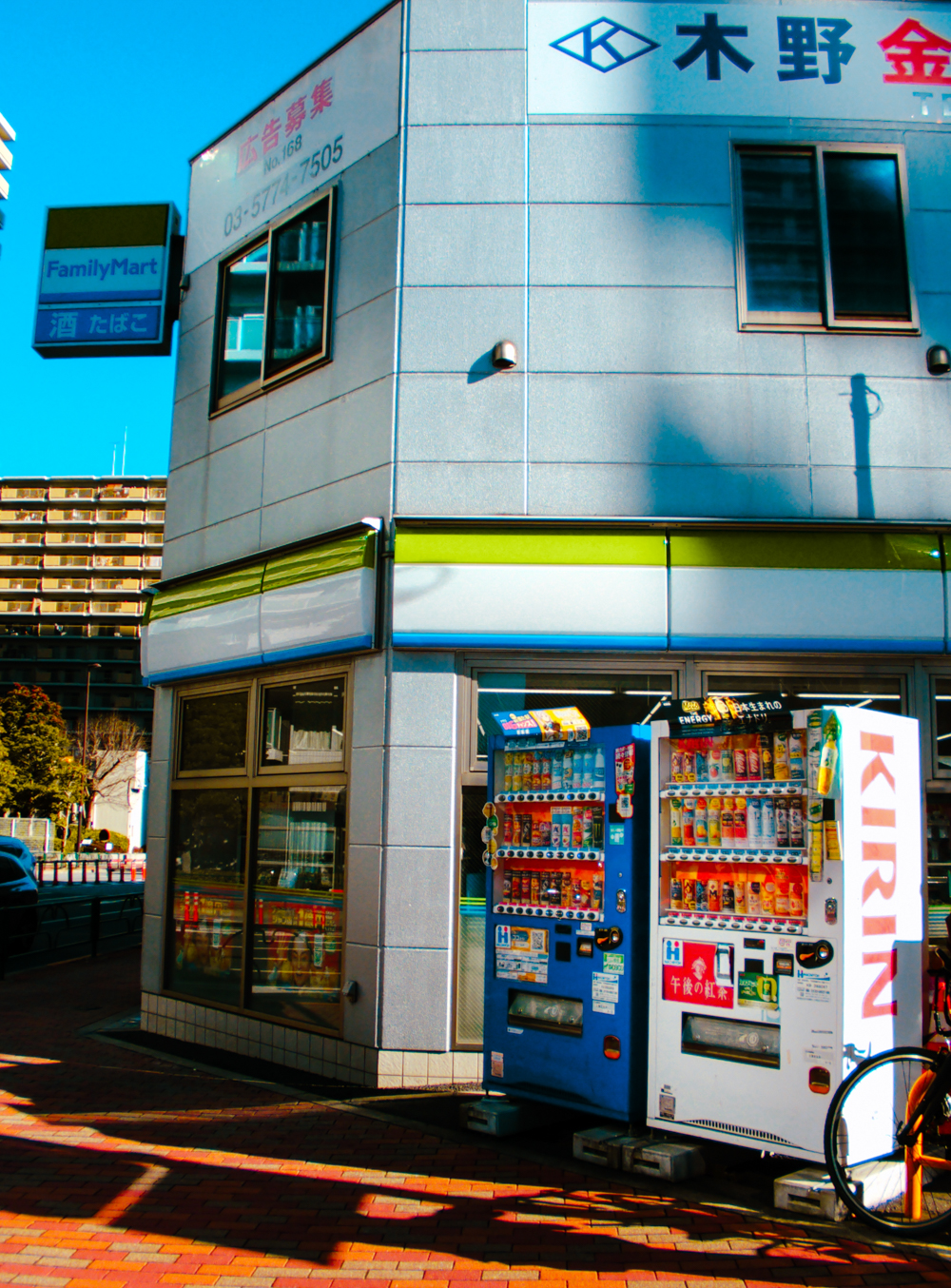
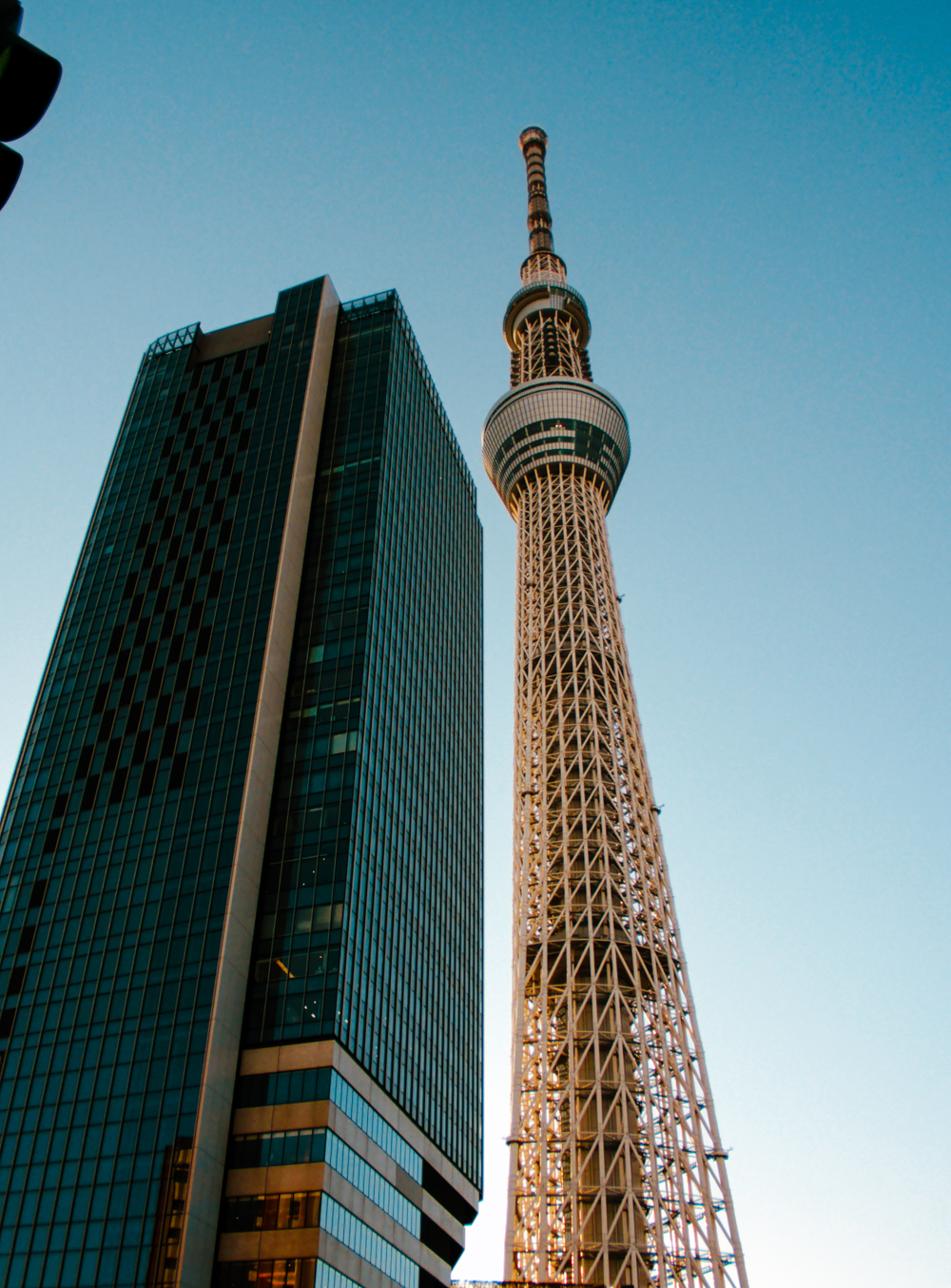
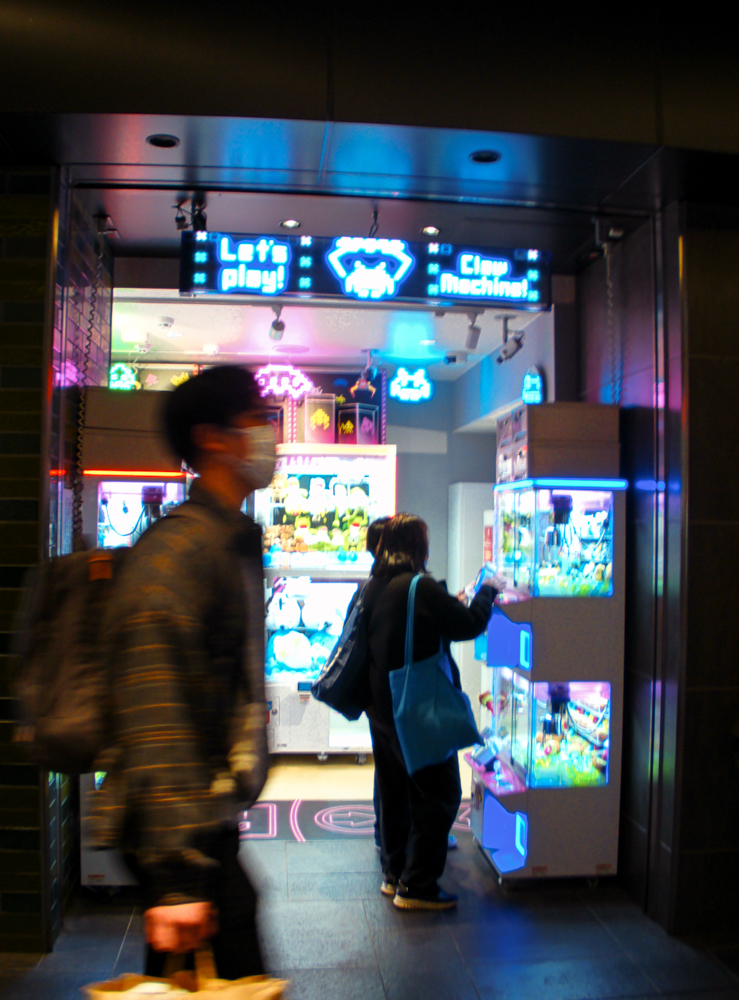
Top: Harajuku crowd, street corner at Taito ward, the Skytree at Ueno, Akihabara Electric District. Photos © Zarina Holmes
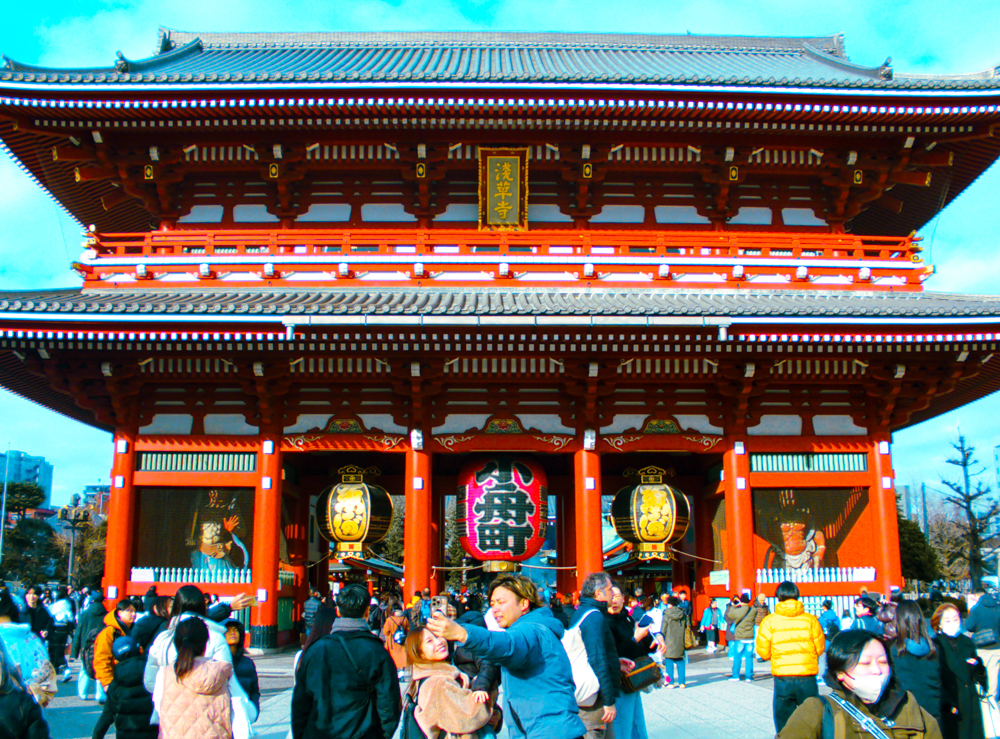
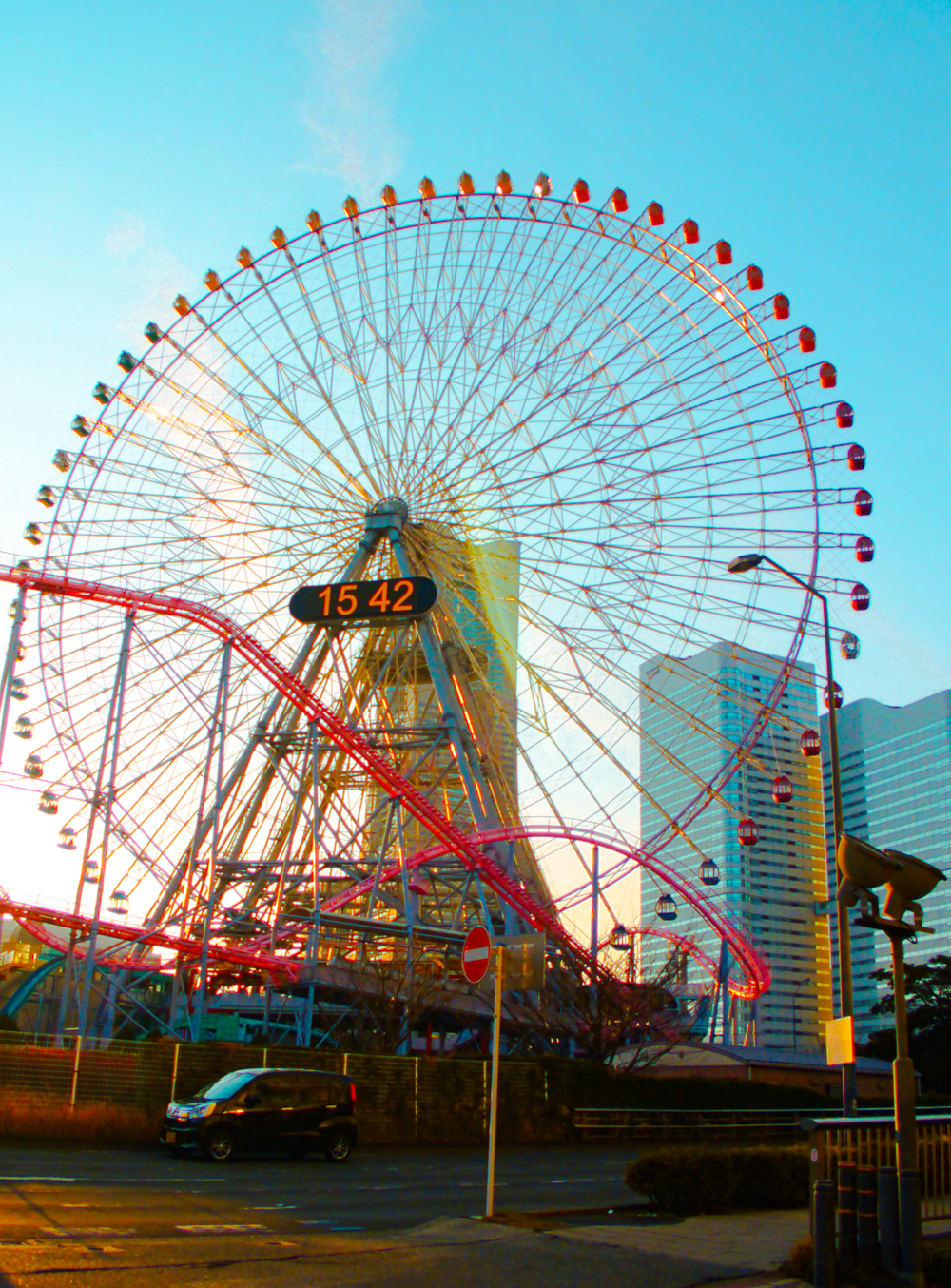

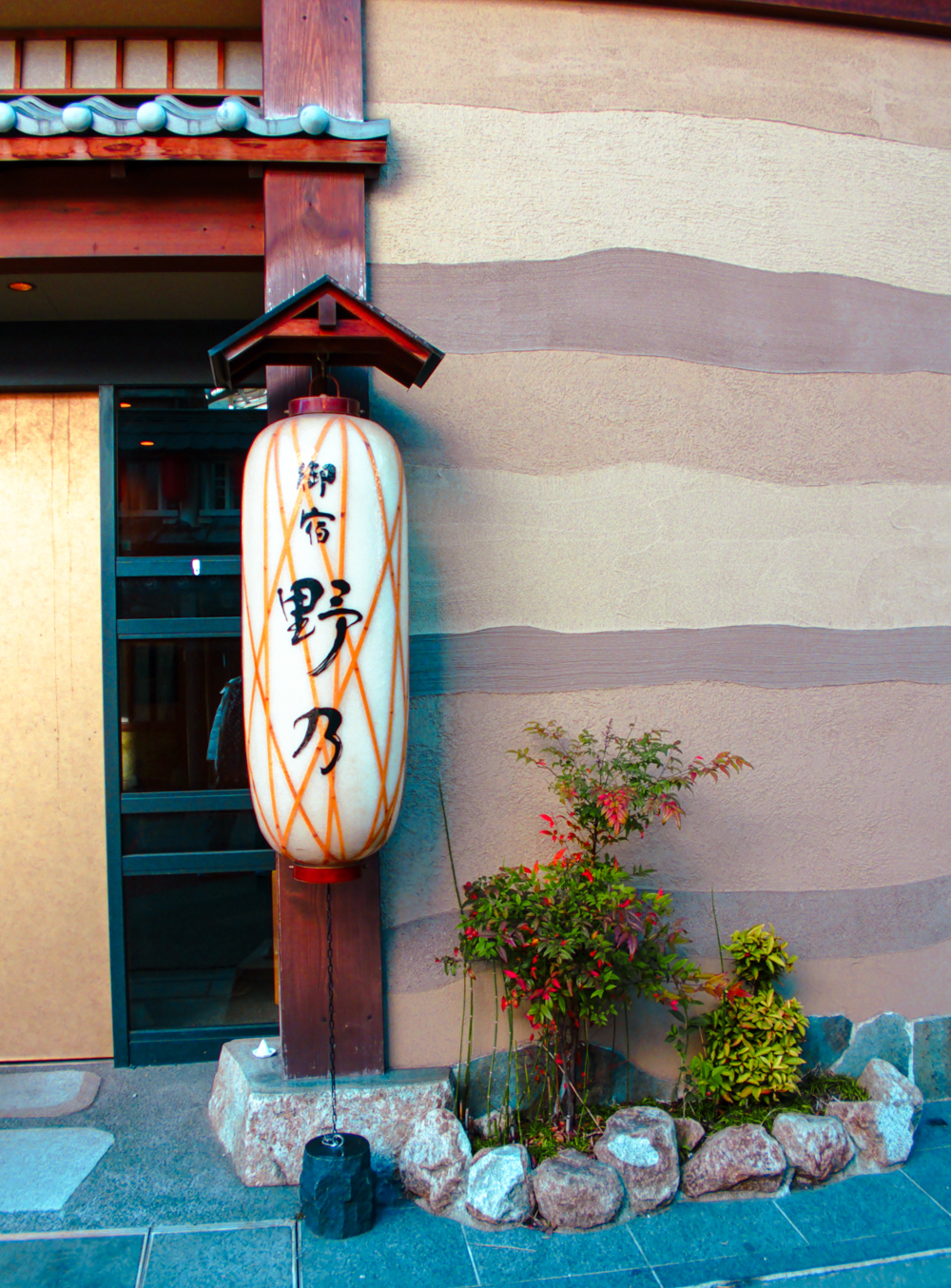
From left: Cosmo Clock21 in Yokohama, clear sky at Senso-ji Temple, decorative plants at Asakusa. Photos © Zarina Holmes
As creative tools become more complicated, it creates a distance between the art and the creator. Using rudimentary tools to make lo-fi art draws us closer to ourselves. Being closer to oneself doesn’t require perfection or being great at what we do. The most important thing is the idea, and the emotion felt in the moment. The random error or accidents in the creative process makes us feel human.

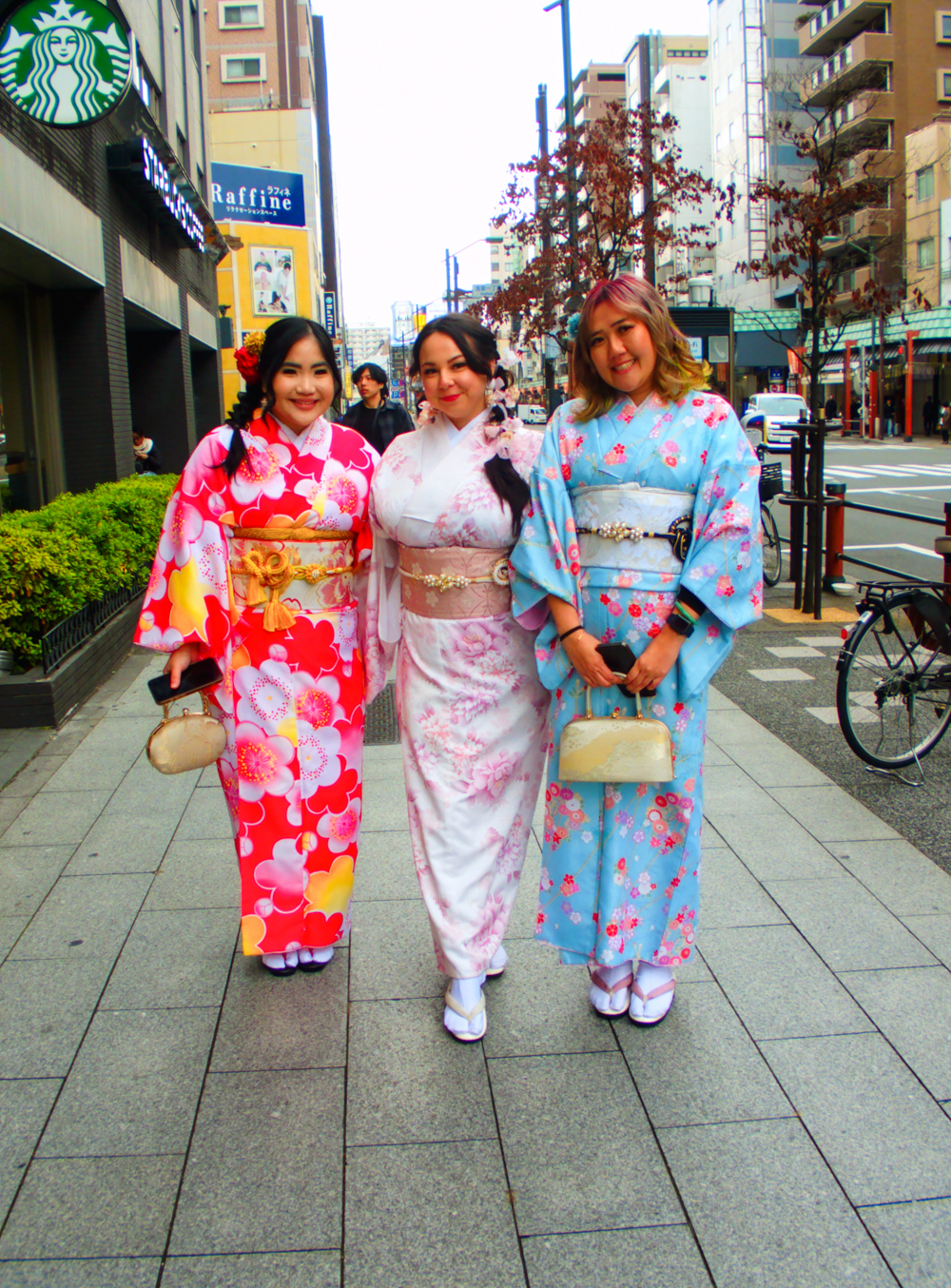
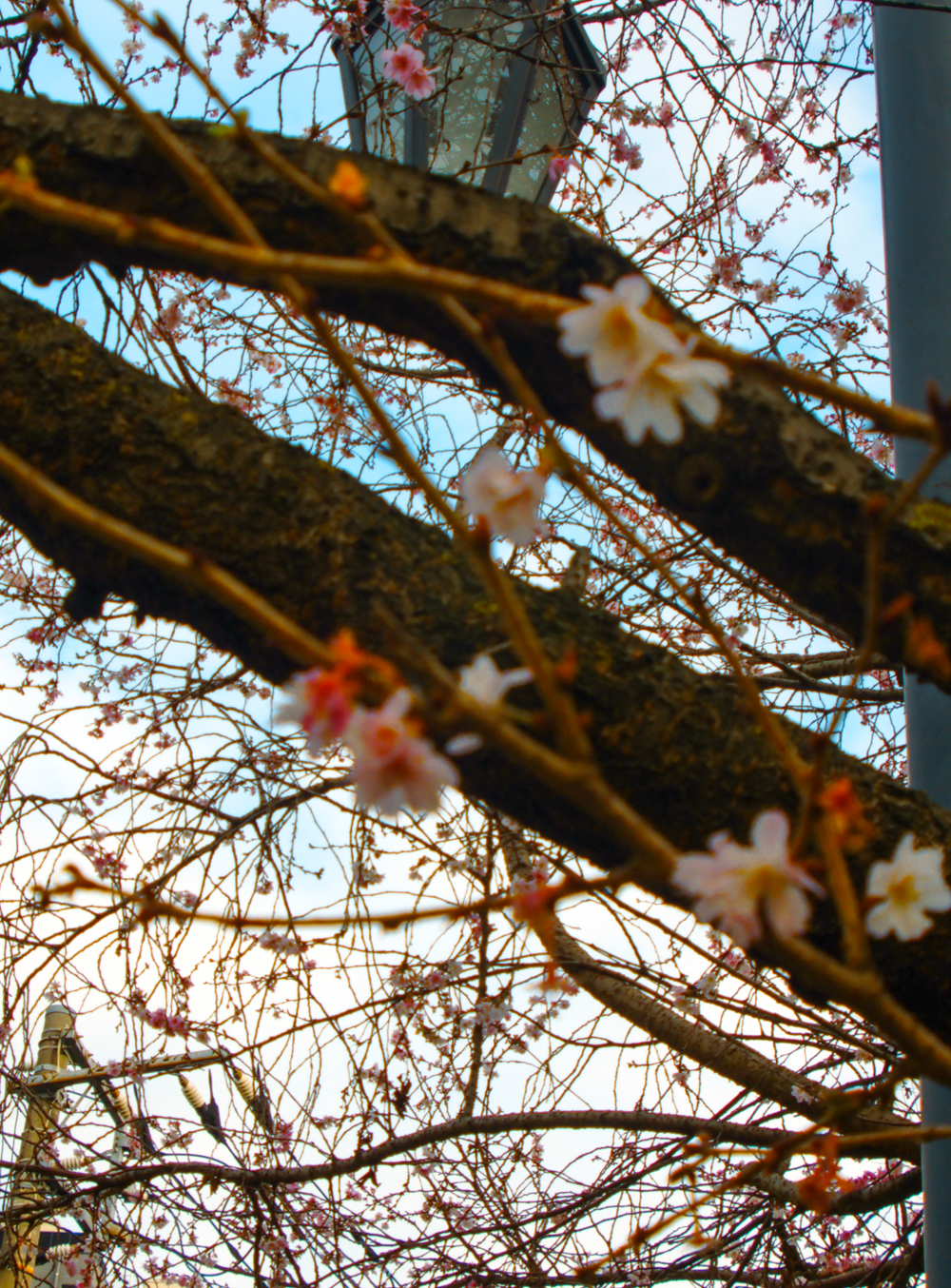
From left: Travellers dressing up in rental kimonos at Asakusa, early blossoms at Senso-ji Temple. Photos © Zarina Holmes
Tokyo is a perfect scene for this expression because it’s a beautiful clash of high-tech, robotics and age-old tradition.
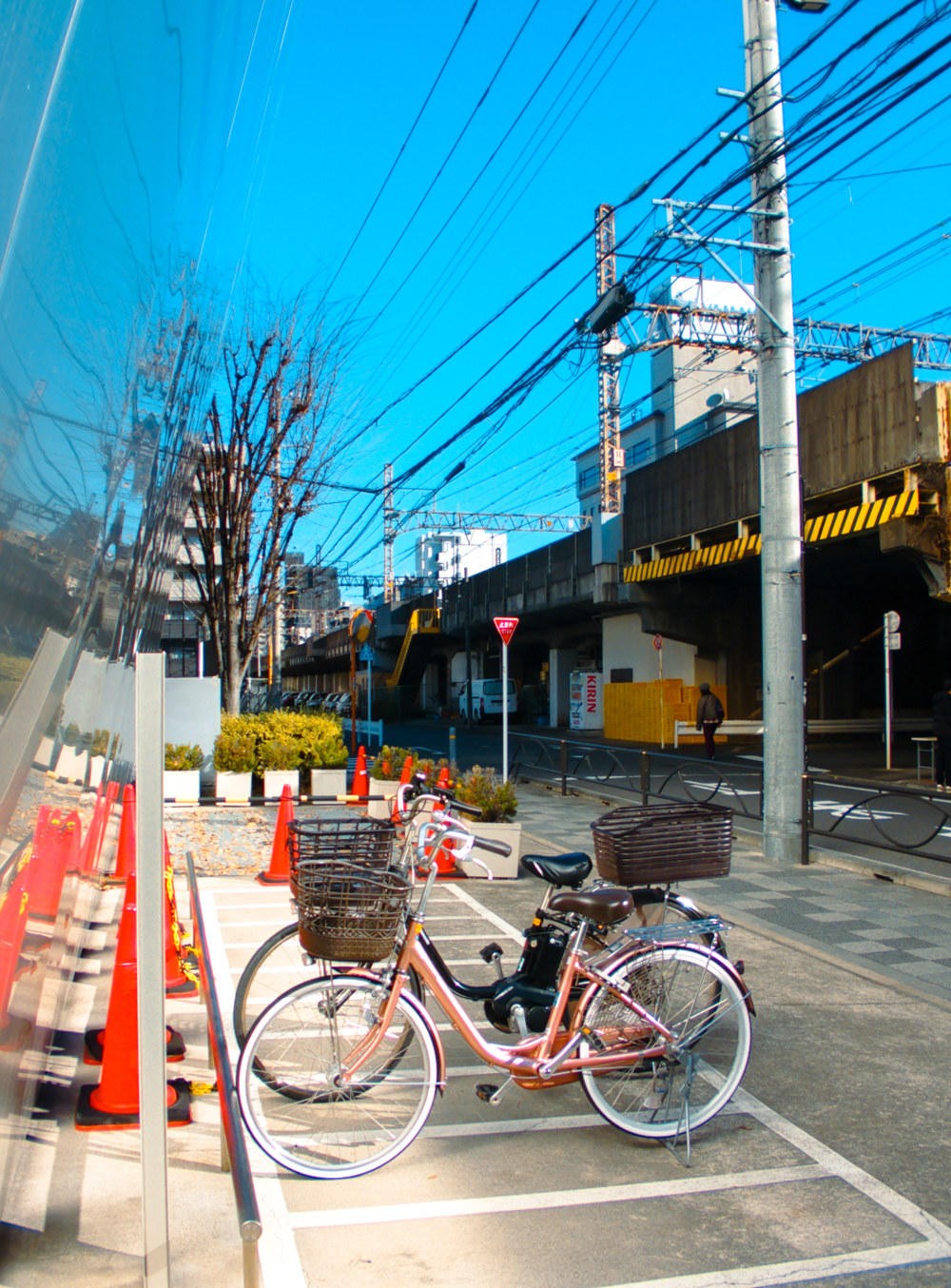
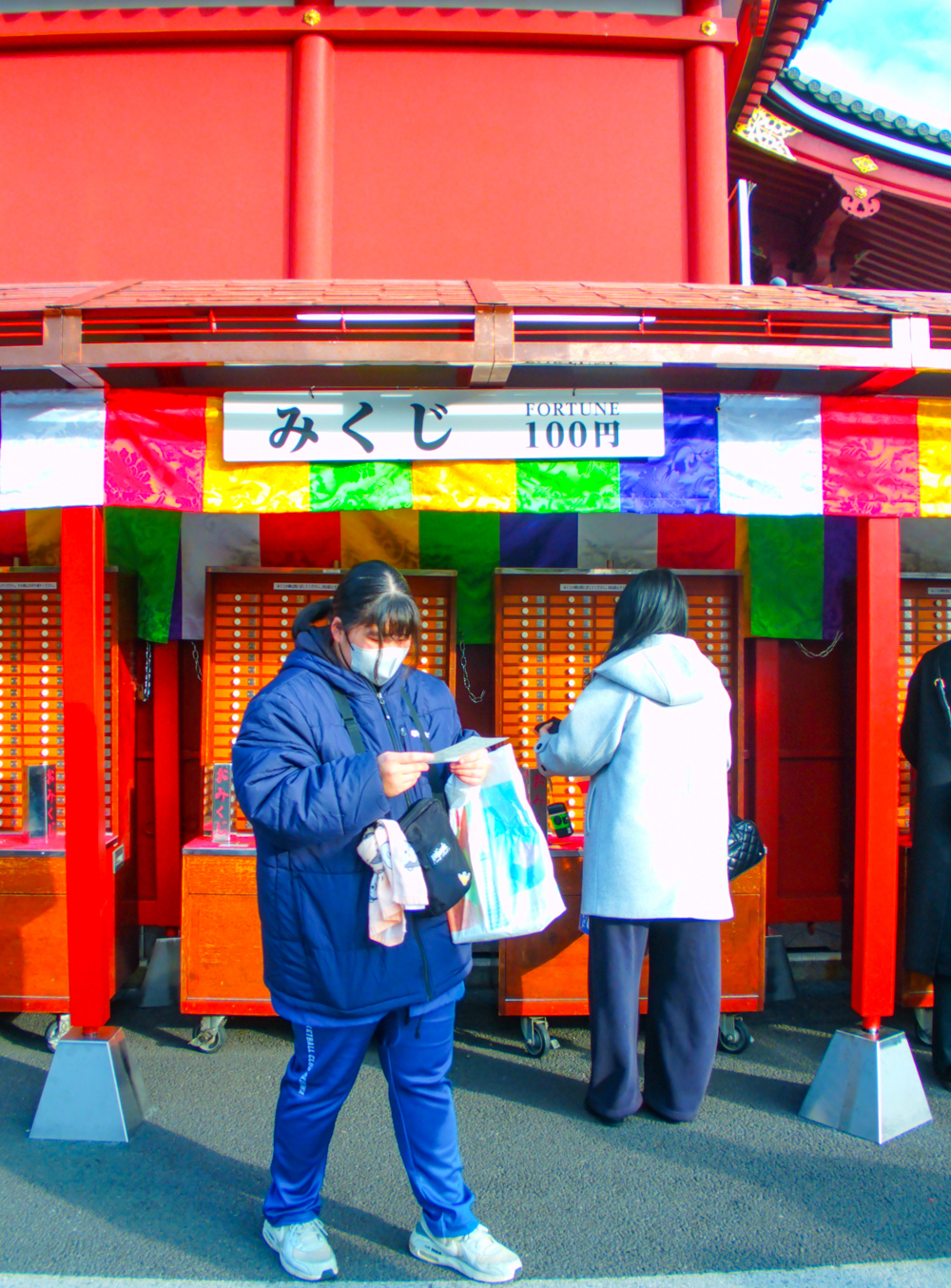
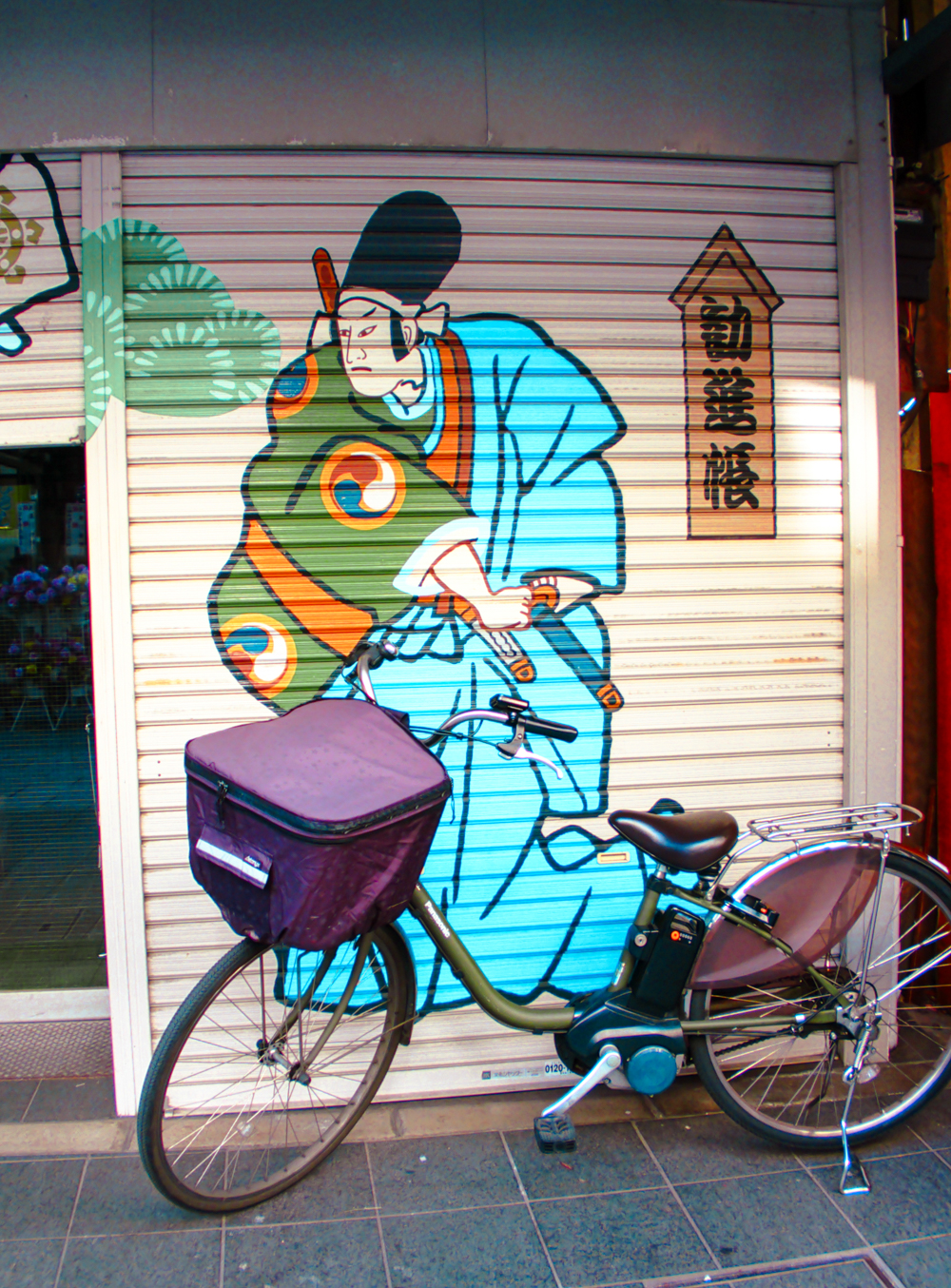
From left: Outside Sumida Hokusai Museum, making a wish at Senso-ji Temple, scene of Asakusa. Photos © Zarina Holmes

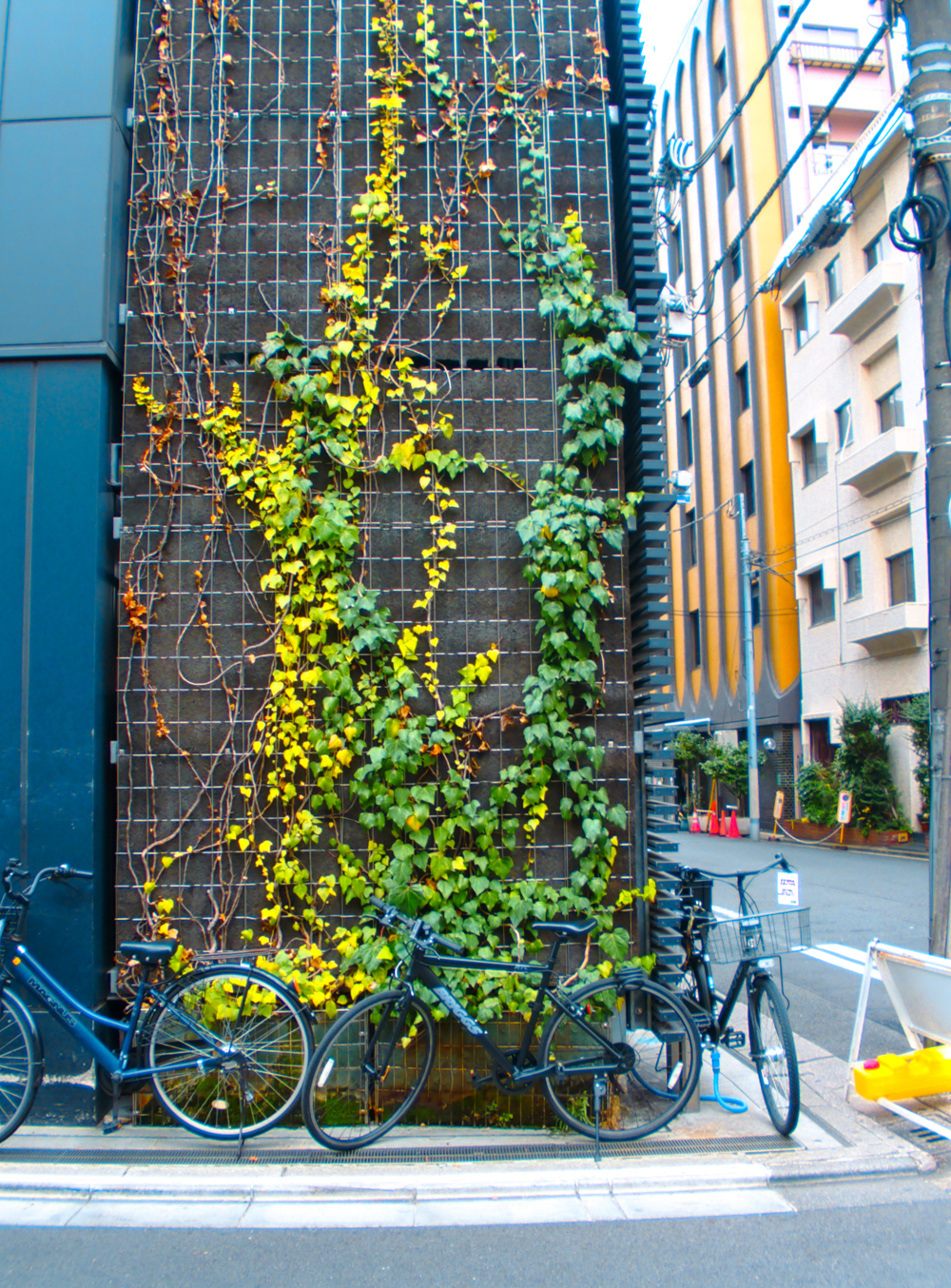
Top: Gamers paradise at Akihabara Electric District, decorative plants at Asakusa. Photos © Zarina Holmes
The lo-fi aesthetics have crept into graphic design too, with nostalgic visual styles borrowed from the 80s vaporwave, 8-bit pixels art and deconstructed graphic art from the 90s. For me, Tokyo is a perfect scene for this expression because it’s a beautiful clash of high-tech, robotics and age-old tradition.
This doesn’t mean that we should abandon sleek and glamorous imagery. It’s still important to strive for greatness. But first, we need to be inspired, have some fun and create as if no one’s watching.
Note: I have shots from my professional camera too, but that’s a story for another day.
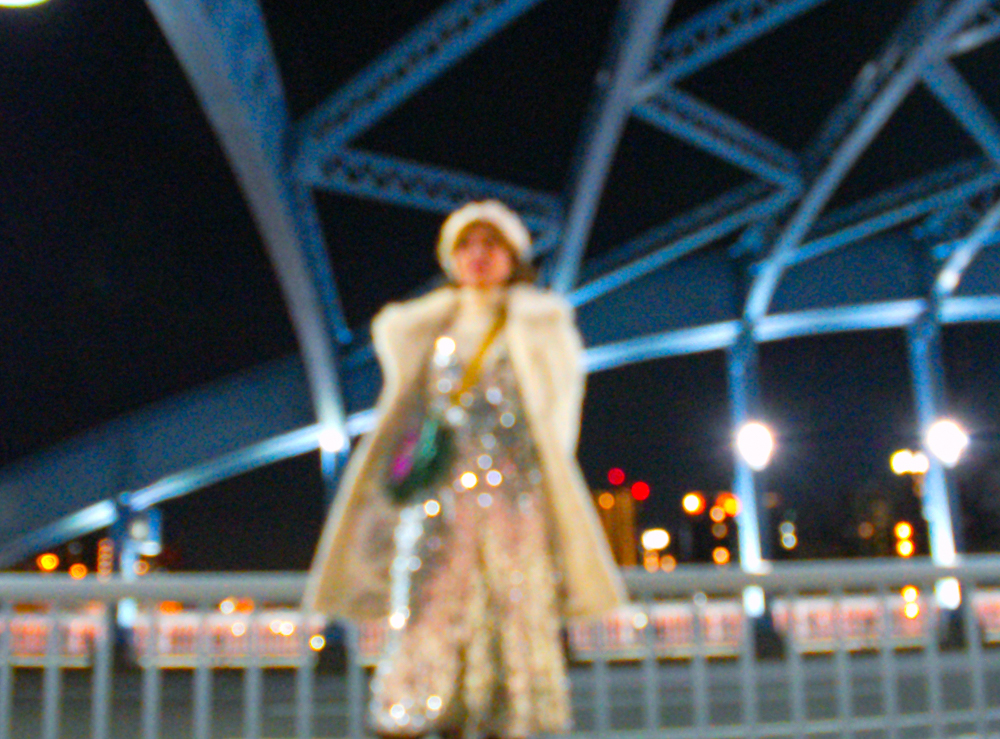
I couldn’t control it much, nor use it for professional purposes. But it was liberating because it prevented me from overthinking.
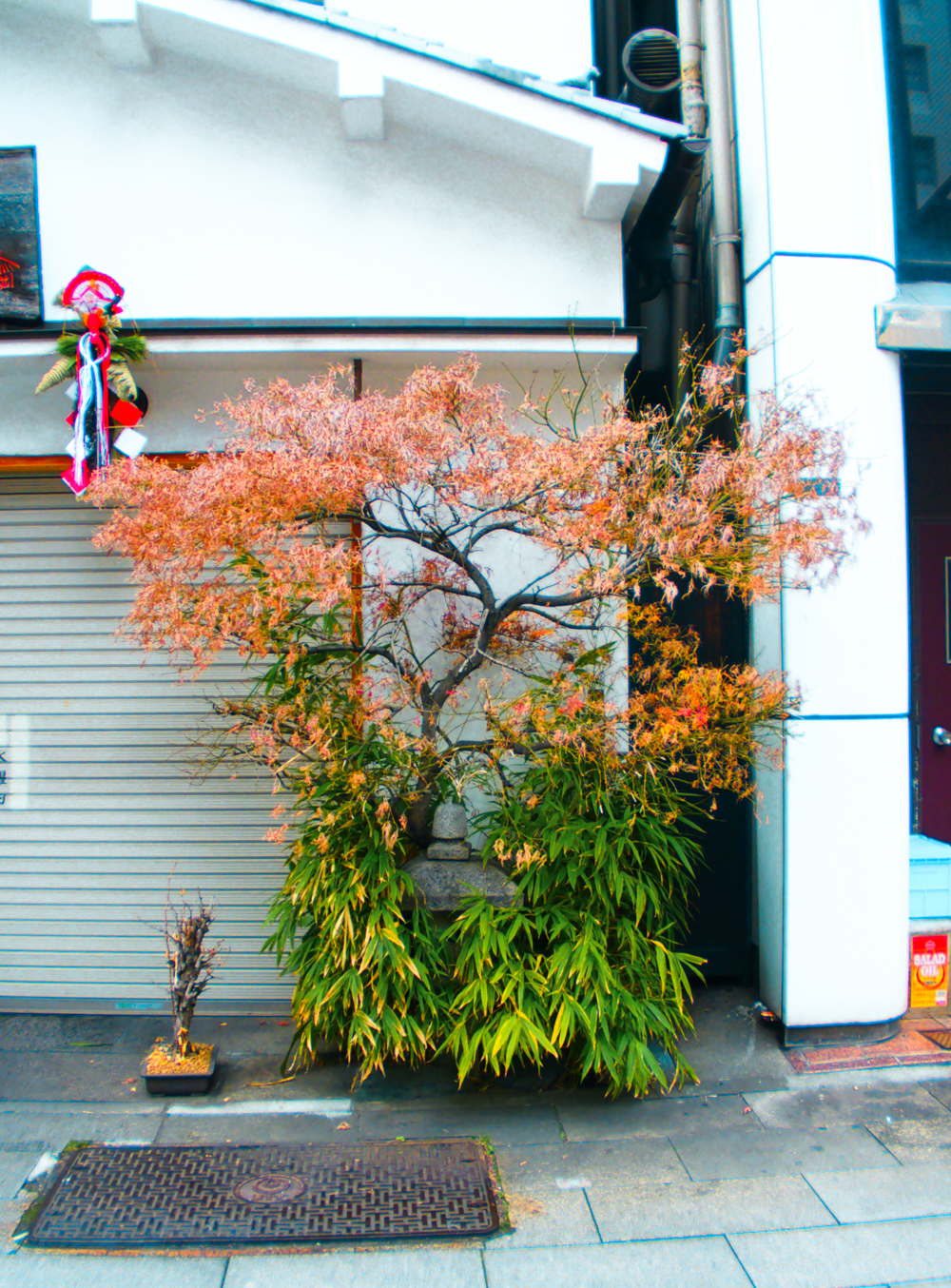
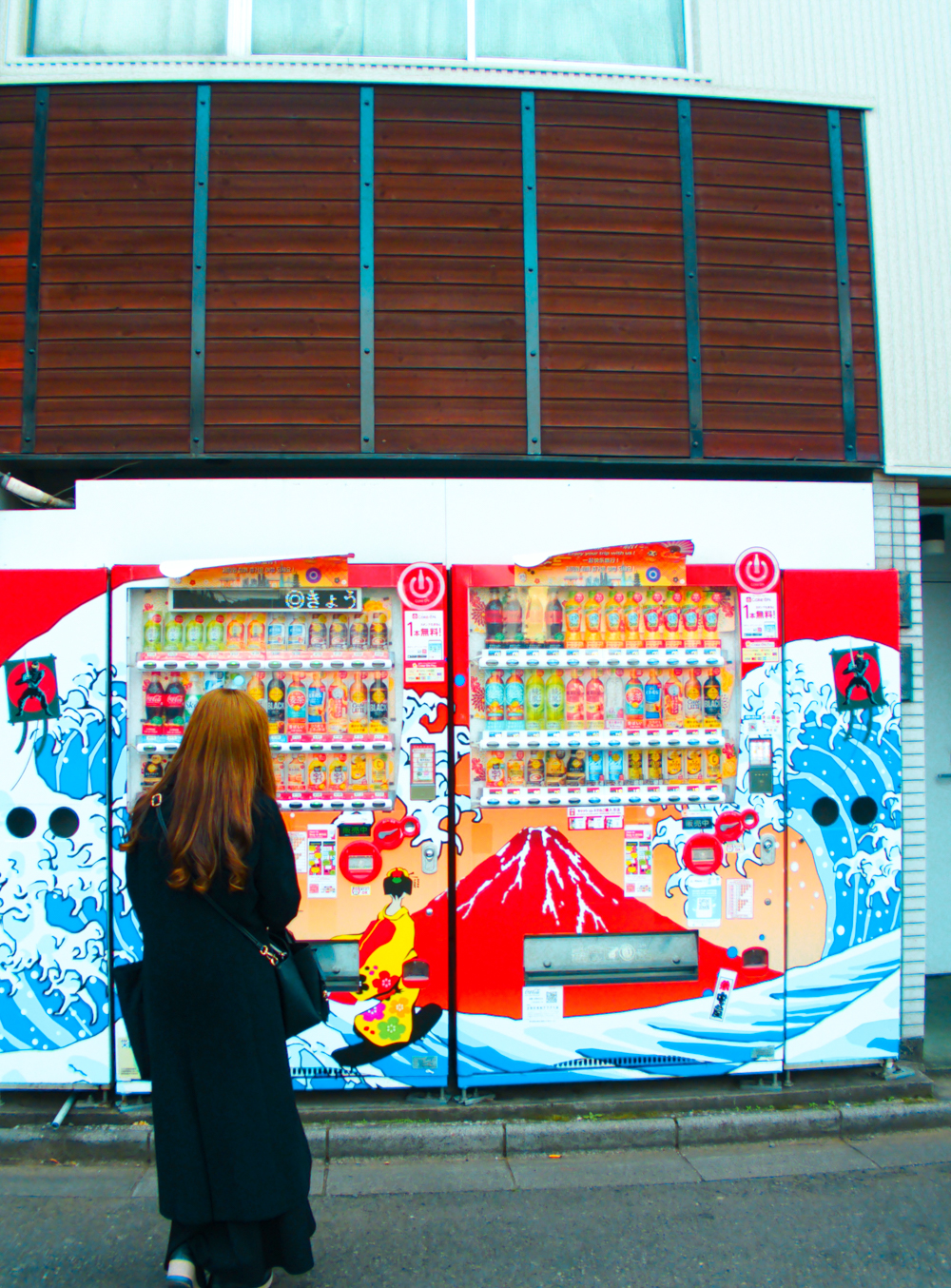

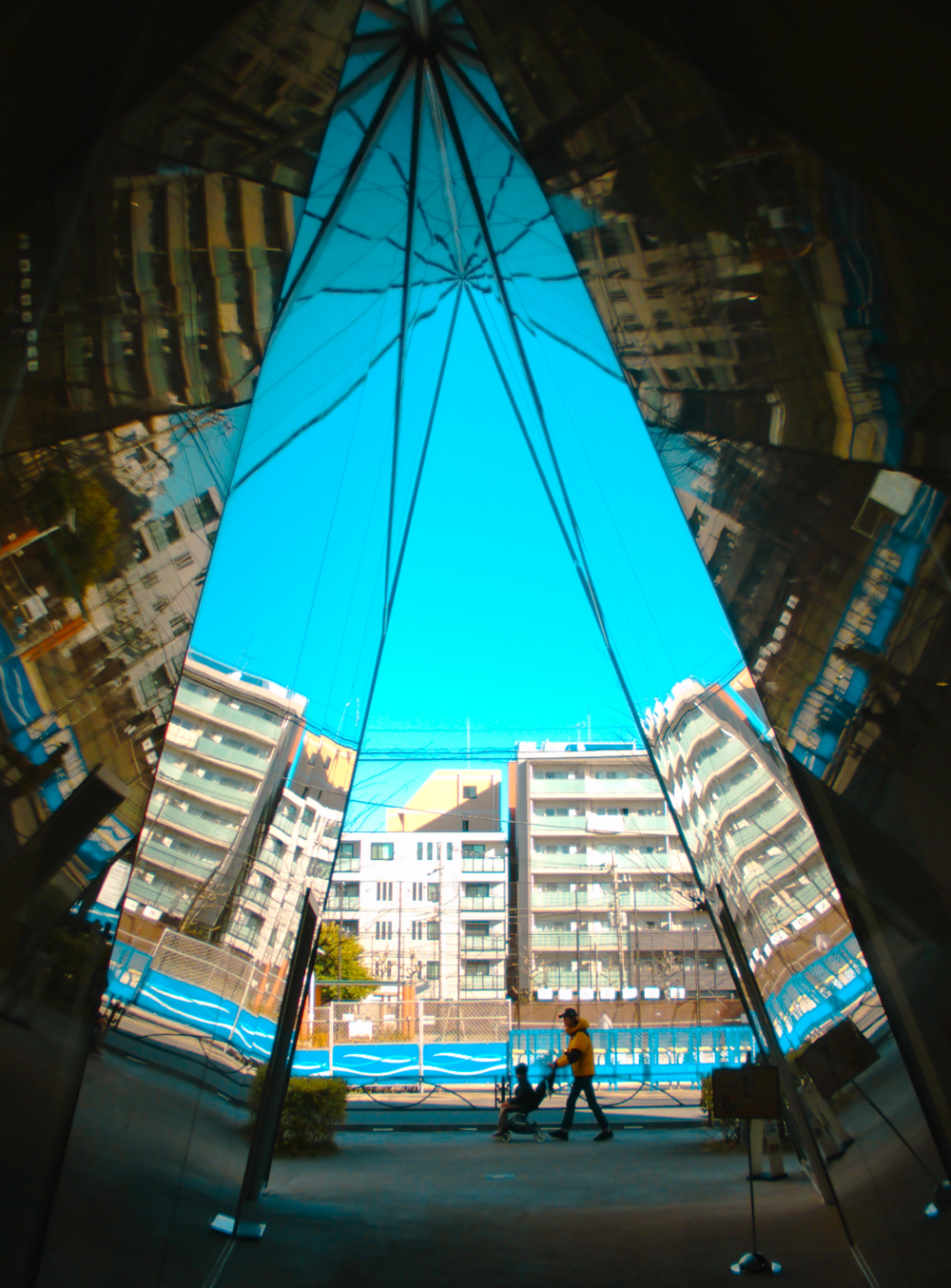
Top: Decorative plants at Asakusa, Hokusai themed vending machine, impressive architecture of the Sumida Hokusai Museum. Photos © Zarina Holmes
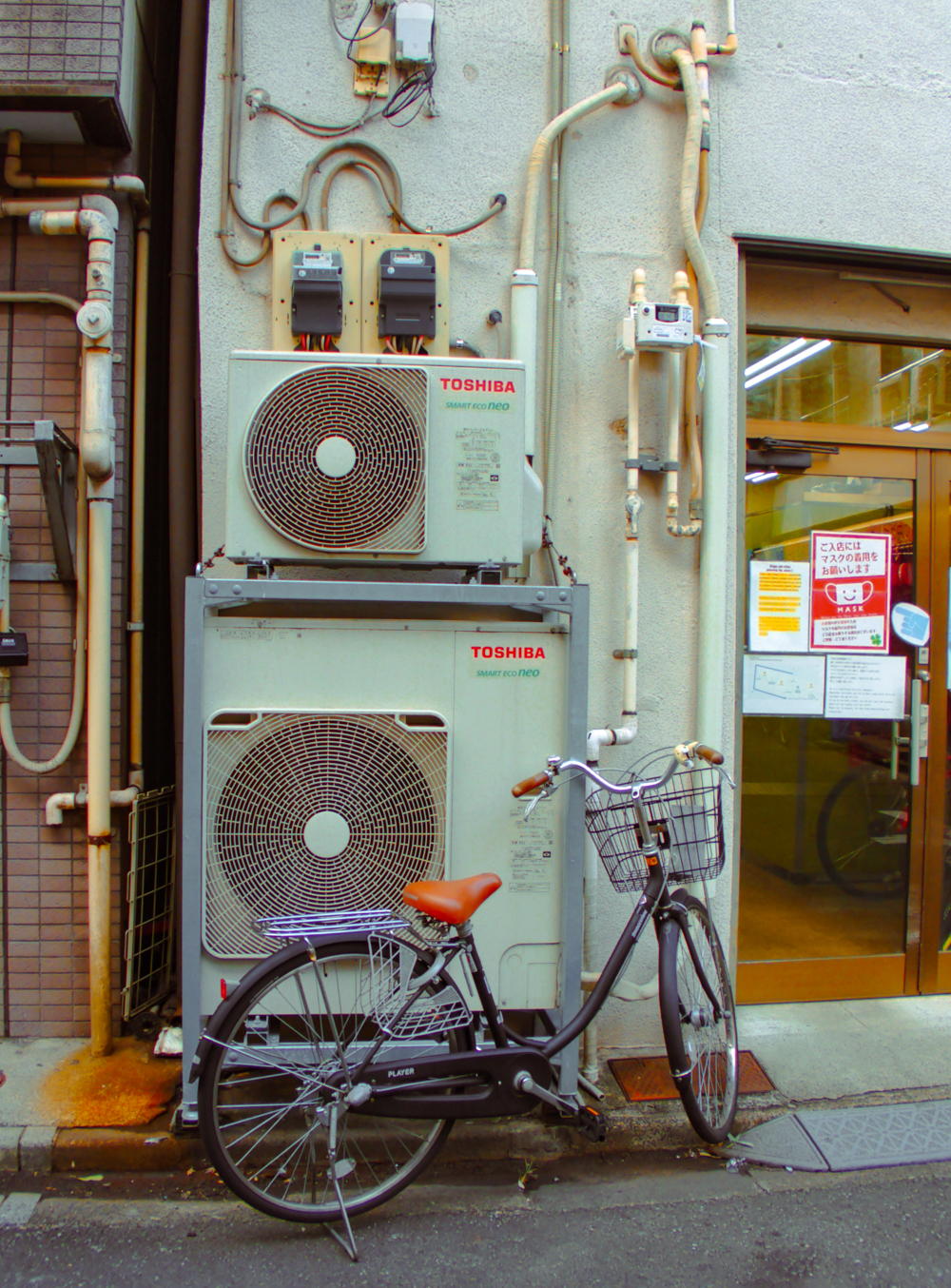
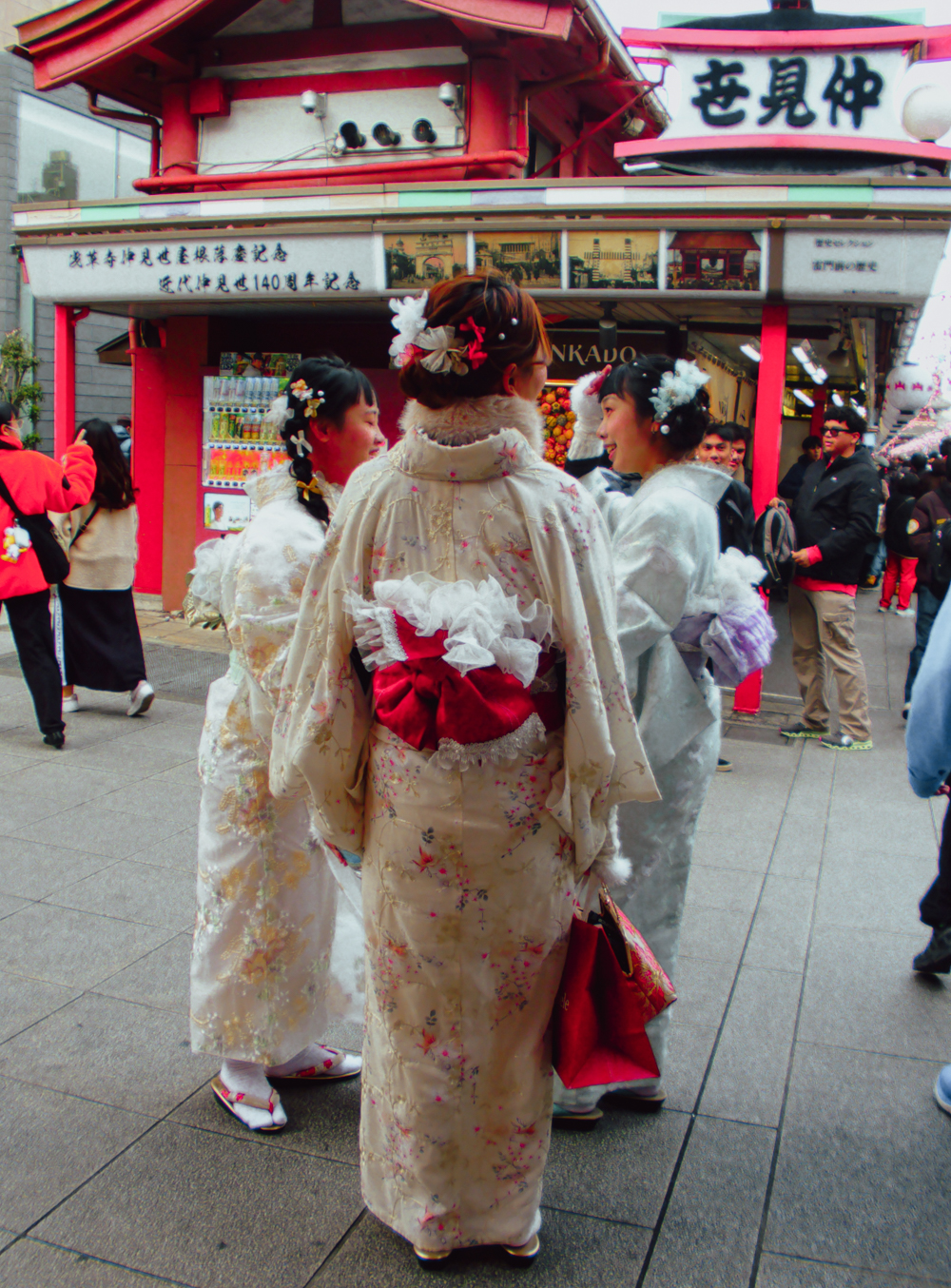
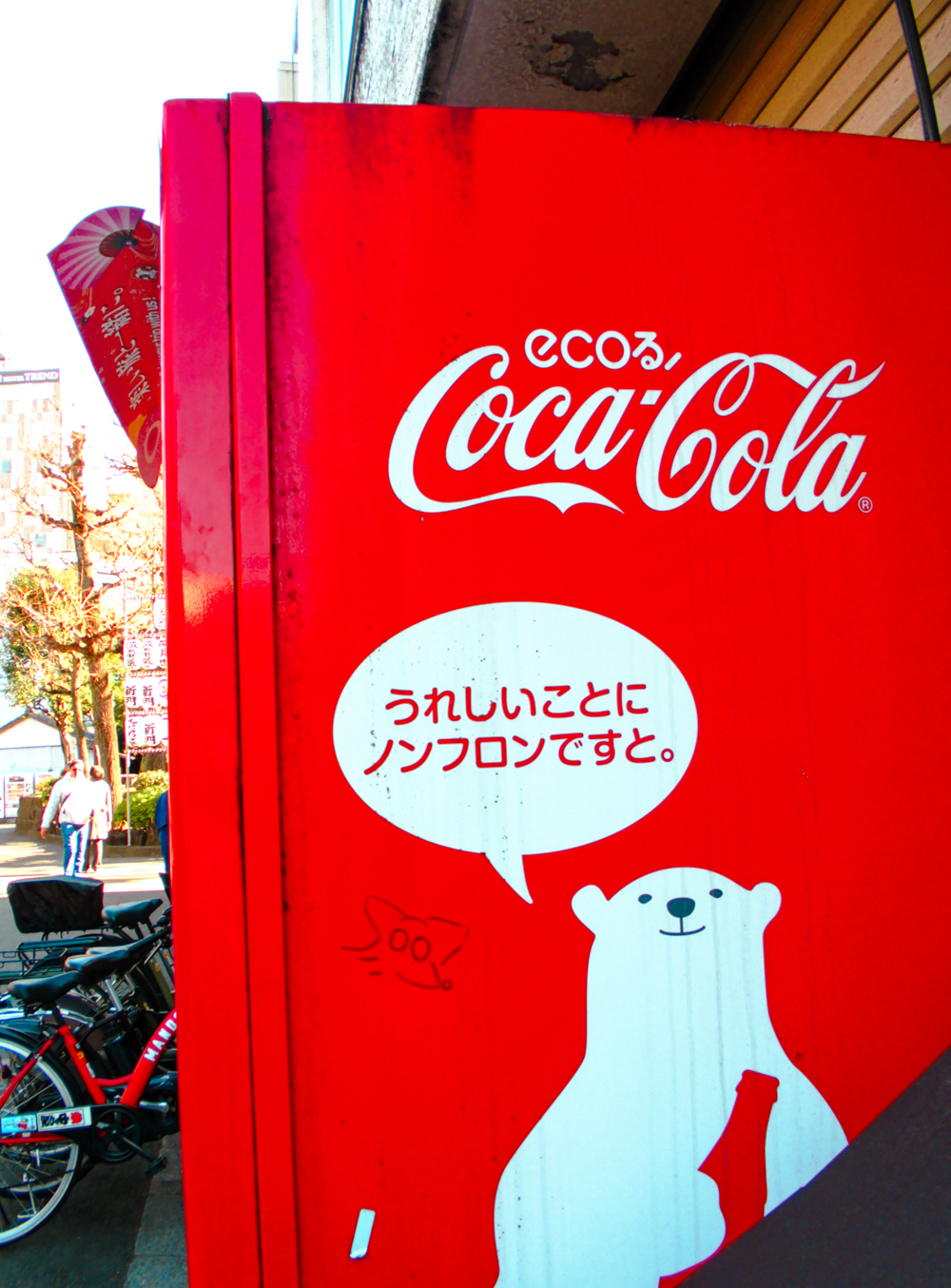

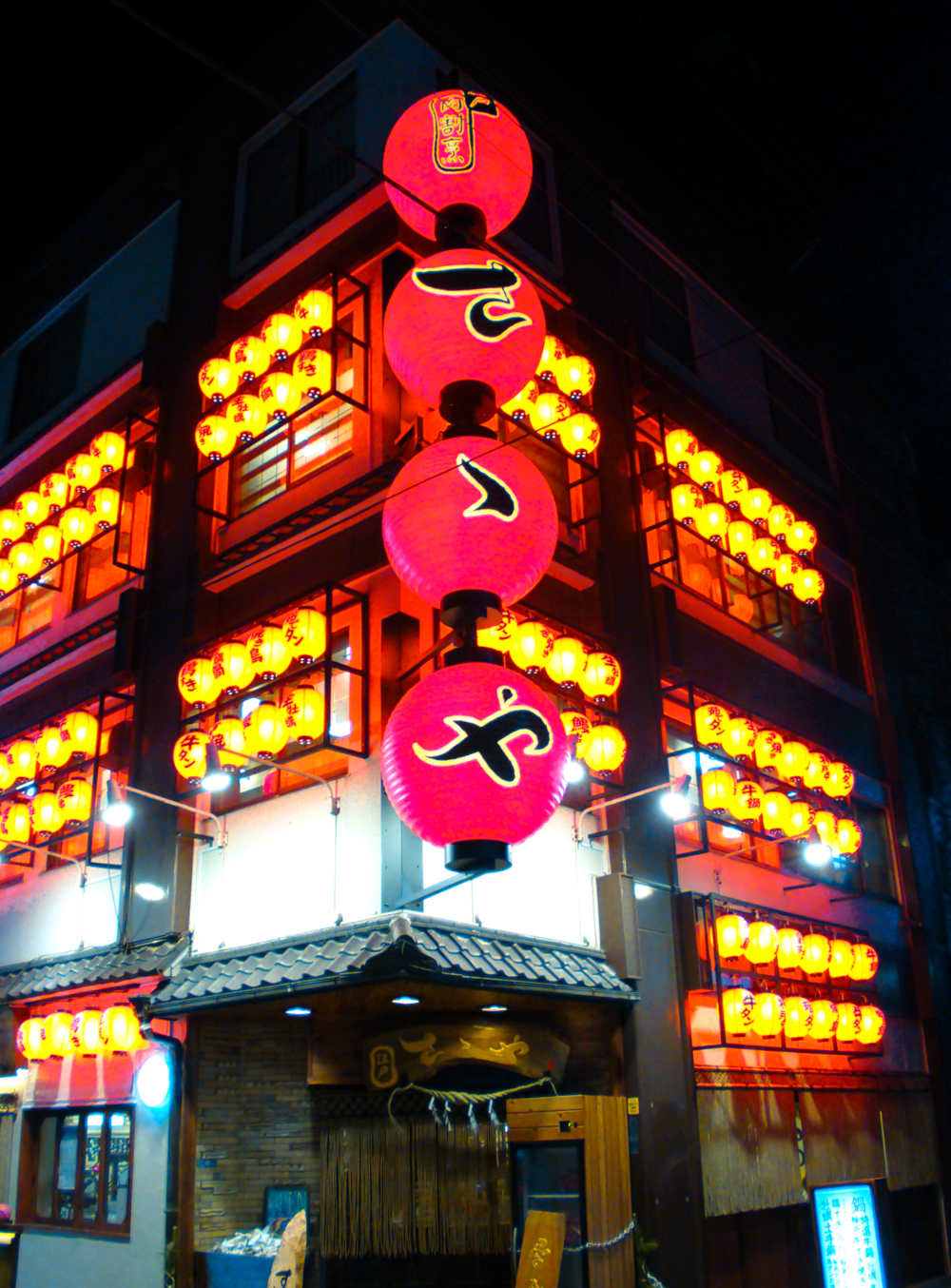
Top: Bicycles are everywhere at Asakusa, ladies in pretty kimonos at Senso-ji Temple, vivid scenes of Tokyo. Photos © Zarina Holmes
How to lo-fi:
- Embrace imperfection: Don’t be afraid of pixelations, blurriness and slow shutter movements. Think like a street photographer.
- Be still. Let the world move around you.
- Look for signs: Neon signs at night and graphic signs are excellent subjects.
- For art direction, think of junk journal, sketchbook or mood board.
More reportage on Tokyo:
Transit in Tokyo
 Zarina Holmes